



Quiet nights at home are becoming the new default “night out” for many consumers, especially younger generations who now prioritize comfort, control and meaningful connection overcrowded venues. Studies of Gen Z behavior highlight that this cohort is reshaping nightlife around smaller, home-centered gatherings, not only to save money but to have more say in the guest list, the mood and the pace of the evening. A 2025 social-habits survey reports that 72% of U.S. adults prefer staying home and having friends over rather than going out, and 76% say they can have deeper, more meaningful conversations during a night in.
In practice, those evenings now cluster around four clear behaviors: cooking and baking as the main event, competitive video game sessions, soft nights in with music, wine and shared rituals, and capturing photos and short videos of the time spent together. For suppliers, the opportunity is to align product lines with these four “nights in,” giving buyers concrete ways to update 2026 assortments without repeating a traditional dine-in or barware story.

Cooking, Baking & Dessert Challenge Nights
Cooking and baking have moved from background chores to the centerpiece of many nights in. Families, couples and friend groups now plan evenings around trying new recipes, baking desserts, plating dishes nicely and enjoying them slowly together, often followed by an episode of a drama or a movie at home. These gatherings feel less like “staying in to save money” and more like turning the kitchen into a shared project, where success is measured in good food, compliments and photos rather than restaurant reservations.
The numbers show that this is more than a passing habit. The global small kitchen appliances market is projected to grow from about $135.6 billion in 2024 to $205.4 billion by 2032 at a 4.7% CAGR, as consumers keep investing in devices that support home cooking and healthier preparation. Global cookware was valued at roughly $30.6 billion in 2023 and is expected to reach $49.8 billion by 2030 at a 7.3% CAGR, reflecting steady demand for better pans, pots and oven-safe dishes. The global bakeware market adds another layer: it is estimated around $3.9–4.0 billion in 2024 and forecast to reach about $5.2 billion by 2030, implying a 4.8%–5% CAGR, with household bakeware growing closer to the mid-single digits as more people bake at home. Baking trend reports note that many consumers now bake at least monthly, often citing health (control over sugar and ingredients), fun and family connection as reasons for baking rather than buying, and highlight interest in gut-friendly and plant-forward recipes, from sourdough and wholegrain breads to lighter cakes and pastries. Taken together, these trends tell suppliers that cooking, baking and desserts are now core parts of how people spend evenings at home, not just occasional hobbies.
What to List
Small kitchen appliances:
waffle makers, mini ovens, air fryers, electric BBQ or hot plates, popcorn makers, dessert and snack makers (donut, cupcake, takoyaki), compact food steamers.
Cookware and tools:
non‑stick pans, baking trays, cake tins, muffin cups, loaf pans, pizza stones.
Baking accessories:
mixing bowls, spatulas, whisks, piping bags and tips, silicone baking mats, cookie cutters.
These are everyday products sized for home kitchens and designed for frequent use in compact spaces.
Supplier Tip
Suppliers can highlight strong hero items—such as a versatile air fryer, mini oven or multipurpose snack maker—and, where ranges allow, create simple “weekend cooking” or “dessert challenge” combinations that buyers can promote as cooking and baking night sets. Because cookware and bakeware are growing alongside appliances, buyers are likely to favor practical, mid-priced products that help turn ordinary kitchens into reliable “hosting stations” for repeated nights in, rather than one-off showpieces that are rarely used.
List these home-cooking and baking products on hktdc.com Sourcing to reach buyers planning at-home‑ challenge nights.

Video Game Nights In: Controllers, Comfort and Competitive Fun
For many households, especially those with younger adults, the new “boys’ night out” or friends’ night in is a high-energy video game session at home. Friends order quick dinners—pizza or takeaway—and gather around a console or PC for competitive matches, coop campaigns and online play that can stretch late into the night. What makes these evenings compelling is the combination of close games, friendly trash talk and shared reactions in a familiar living room, rather than the noise and cost of bars or other venues.
The global video game market generated about $182.7 billion in revenue in 2024, growing 3.2% over 2023, with mobile games accounting for roughly half of the total and console and PC making up the rest. Newzoo estimates that global game revenues will reach about $213.3 billion by 2027, at a 3.4% CAGR, as engagement deepens and more players spend across multiple platforms. Paying gamers are expected to rise to about 1.5 billion in 2024 and roughly 1.7 billion by 2027, while the total player base grows from about 3.4 billion to 3.8 billion over the same period at about a 3.6% CAGR. Together, these figures show that games are a firmly mainstream leisure activity, giving suppliers clear justification to treat high‑energy video game sessions at home as an important “night in” scenario when planning controllers, comfort gear and simple audio accessories.
What to List
Game controllers and accessories:
wired and wireless controllers, gamepads, multi-controller sets, joysticks, controller charging docks.
Comfort and setup:
gaming chairs, cushioned floor seats, controller stands, console stands or cooling bases, extended charging cables.
Audio (optional addon):
gaming headsets and simple speaker bars suitable for apartment-friendly volume.
All of these are consumer‑level products that fit typical living rooms and bedrooms, not specialized esports gear.
Supplier Tip
Suppliers can lead with proven controllers and comfort accessories that buyers know will move quickly, then offer optional “game night in” accessory packs combining extra controllers, stands and charging solutions for multiplayer sessions. Given that revenues are growing modestly while player numbers and playtime remain high, accessories that extend comfort, reliability and social play are likely to outperform headline market growth, particularly in markets where upgrading the console itself is less frequent than upgrading the experience around it.
List your gaming accessories on hktdc.com Sourcing to connect with buyers assembling high-energy‑ video game nights at home.

Soft Evenings In: Wine, Music, Dance and Shared Rituals
Not every night in revolves around screens or competition. Another increasingly common pattern is the soft evenings in: a simple home‑cooked dinner followed by wine or other drinks, soft pop or chill music, dancing in the living room and unhurried sharing among friends, couples or family. These evenings mix low‑key fun and emotional connection—people talk through the week, share personal stories, and enjoy dancing along to the music together. For some groups, particularly girls’ nights, the ritual also includes facial masks or skincare tools, turning part of the evening into a casual home spa session while the playlist continues in the background.
The preference for this kind of gathering has been growing, with recent surveys pointing to stronger emotional connection and more meaningful conversations at home than on typical nights out. For these nights, music often plays quietly in the background or sets the mood for light dancing, so even though everyone already has a phone, compact Bluetooth speakers and simple home speakers are becoming basic tools for creating a relaxed, shared atmosphere. At the same time, the global at‑home beauty device market is estimated at about $15.2 billion in 2024 and is expected to reach $73.5 billion by 2031 at a 25.2% CAGR, as more consumers bring skincare and treatment rituals into the home. Taken together, these patterns suggest that more people are choosing soft evenings in—combining wine, music, dance, conversation and shared spa‑style rituals—when they spend time at home, and suppliers’ strategies need to reflect the growing demand for products that support these occasions.
What to List
Audio and ambience:
compact Bluetooth speakers, small home speakers, soft-glow lamps, night lights.
Beauty and wellness tools:
facial cleansing brushes, facial rollers, gua sha tools, LED facial masks, at-home facial devices.
Comfort extras:
small aroma diffusers, compact humidifiers.
These are consumer‑grade products designed for home use, with compact formats that fit easily into small apartments and shared living rooms.
Supplier Tip
Suppliers can position these products as wind‑down helpers that fit naturally into home wellness and lifestyle assortments, rather than as niche specialist gadgets. Emphasizing quiet operation, simple controls and suitability for small apartments helps buyers feel confident recommending them for wine‑and‑music evenings, relaxed sharing nights and casual spa sessions among friends.
List your audio, beauty and wellness tools on hktdc.com Sourcing to reach buyers curating soft, connection-focused‑ evenings at home.

Capture-the-Moment Sets: Gear for Sharing Nights In
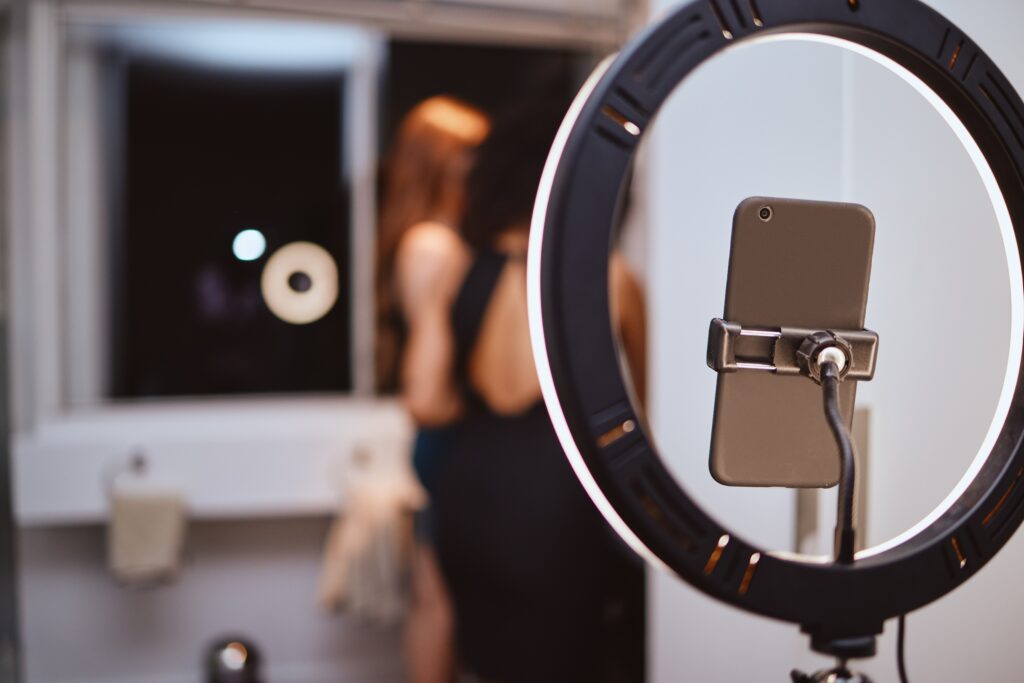
Across cooking and baking nights, gaming sessions and soft evenings in, people are capturing more of their time together. Selfies over the kitchen counter, group photos on the sofa, short videos of a tense match or a warm, cuddling moment have become part of how evenings are remembered and shared on social platforms. Guests expect at least a few good photos or clips from the night, even when it’s just two or three people at home; some hosts go further, aiming for “magazine-style” shots by experimenting with angles, lighting and editing.
Content‑creation accessories are riding the same curve as mobile photography and short‑form video. The global smartphone accessories market is projected to grow from about $94.4 billion in 2024 to more than $140 billion by 2033 at around a 4.6% CAGR, with smartphone‑related products accounting for nearly half of all accessory spending. Within this, items such as phone tripods, ring lights, remote shutters and clip‑on microphones are expanding as more people use their phones as everyday cameras and camcorders at home, not just for quick selfies. For nights in, this means simple stands, lights and mics are increasingly part of how people document cooking sessions, game nights or soft evenings with friends, turning quiet gatherings into something easy to capture and share.
What to List
Stands and stabilization:
phone tripods, table‑top stands, clamp holders, flexible stands (for coffee tables, desks and shelves).
Lighting:
ring lights, clip-on selfie lights, small portable LED panels (for group shots and short videos).
Audio and control:
small wireless camera microphones, clip-on mics, Bluetooth remote shutters (for handsfree photos and videos).
All of these are lightweight, easy to ship and simple for end users to set up and use at home.
Supplier Tip
Suppliers can present these items as standalone hero products—for example, a bestselling ring light with integrated tripod—or as straightforward “capture-the-moment” sets that bundle a stand, light and remote without requiring professional setup. Clear lifestyle images showing how these tools are used in ordinary apartments or compact homes can help buyers visualize how they fit alongside cooking and baking, gaming or soft-evening assortments, rather than being seen as isolated tech gadgets.
List your photo and video accessories on hktdc.com Sourcing to help buyers turn nights in into shareable moments.
From Quiet Evenings to New Revenue
Across cooking and baking nights, gaming sessions, soft evenings in and capture‑the‑moment habits, nights in are turning into a defined part of how people socialize at home. Together, these trends point to a lasting reset in how people spend their evenings, with more time and budget flowing into products that make home gatherings easier, more comfortable and more shareable.
For suppliers, treating these patterns as recurring rituals, not fads, helps them prioritize durable, mid‑priced, high‑usage products that can generate repeat orders instead of one‑off spikes. In 2026 and beyond, buyers who succeed will be those who build assortments around how people really spend their nights in, and suppliers that align with these behaviors—and list the right products where professional buyers are searching—will be best placed to turn quiet evenings into sustained B2B growth.
Night in preferences and social habits
Talker Research; StudyFinds; iHeart / local radio news coverage; selected “staying in vs going out” and night-in social-habits surveys for U.S. adults.
Small kitchen appliances, cookware, baking and home cooking
Global Market Insights; Grand View Research; Fact.MR; Fortune Business Insights; selected global reports on small kitchen appliances, cookware and bakeware market size and CAGR.
Video games, players and revenues
Newzoo Global Games Market Report and secondary summaries; selected coverage of global game revenues, platform splits and player-base forecasts.
At-home beauty devices and wellness tools
Cognitive Market Research; other global at-home beauty device market outlooks on size, regional shares and CAGR.
Smartphone and content-creation accessories
IMARC Group; other global mobile phone and smartphone accessories market reports covering size, growth and category breakdowns (tripods, lights, mics, remotes).
Gen Z hosting and at-home gatherings
Insight Trends World “Gen Z is Hosting” trend report; related analyses and commentary on small, themed at-home gatherings among younger consumers.