Beyond the Runway: Global Fashion Trends Set to Dominate the 2027 Scene
The global fashion landscape for 2026–2027 is shifting from “uncertainty” to “challenging,” according to the McKinsey & Co. State of Fashion 2026 report, as the industry adapts to new trade realities and rapid technological integration.
While overall growth of the fashion industry is projected to remain in the low single digits, significant value is being created in 3 specific areas: circular fashion, luxury accessories, and tech-infused wearables.
1. Circular Fashion: The Rise of Resale and Traceability
Sustainability has evolved from a niche marketing preference into a core strategic imperative. The EU’s Digital Product Passport (DPP), set for 2027, will mandate full textile traceability, pushing brands toward circularity, impacting the fashion industry at large.
For fashion traders looking toward 2027, circularity is the new benchmark for market entry.
According to Business of Fashion, the secondhand fashion market is forecast to grow 2–3 times faster than the firsthand market through 2027. Along with the rapid growth of secondhand fashion, sustainable clothing is expected to reach a market share of over6% by 2026, as reported by Statista. Behind such gain in fashion market share, material innovations, such as lab-grown fibres and biotextiles, are scaling.
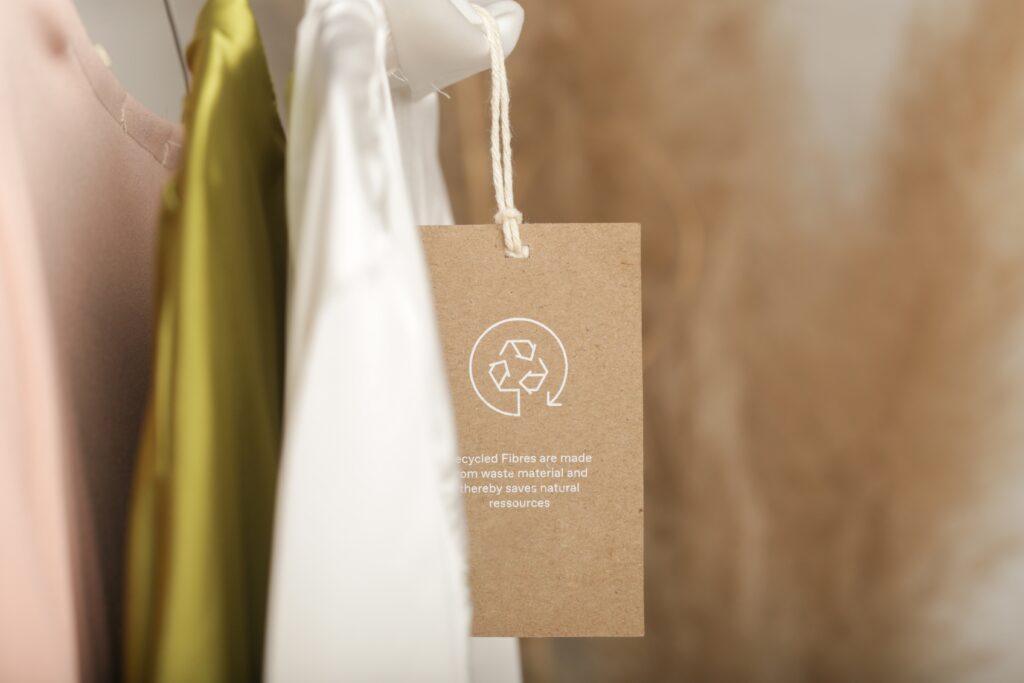
Circular fashion made with recycled materials is fast becoming popular across markets.
2. Key Aesthetics: "Redirection" and the 2026 Color of the Year
Forecasters at WGSN and Coloro have identified “Redirection” as the overarching theme for the 2026–2027 seasons, balancing nature with technology. 2026 Color of the Year: Transformative Teal, a fluid blend of dark blue and aqua green, implies a gender-inclusive and transitional shade that can be applied to apparel ranging from utility to occasion.
On the other hand, apart from the prominence of Transformative Teal, Vogue highlights soft, draped tailoring, robe-like silhouettes, and fringe details as leading trends for the 2026 collections.
Wear the chic in 2026 Color of the Year!
3. High-Growth Segments: Jewellery and Smart Wearables
While apparel growth slows, fashion accessories are seeing outsized demand.
Jewellery Boom: Unit sales for jewellery are forecast to grow at more than 4 times the rateof clothing in 2026, per McKinsey’s insights.
Smart Eyewear: This category is emerging as the leading format for wearables, effectively blending fashion and technology for a functional yet stylish offering.
Industry Spotlight: CENTRESTAGE 2026
Immerse yourself in the fashionista’s showroom by visiting CENTRESTAGE, staged in Hong Kong from 2 to 5 September 2026, where you could discover the next fashion bestsellers during the catwalks and runway events!
Click the banner below to reserve your spot:
Explore our e-Marketplace for online fashion sourcing too:
Fashion Trends FAQ
1. What are the top fashion sourcing trends in 2026-2027?
In 2026, the biggest fashion sourcing trends include circular fashion, and the use of accessories like jewellery and smart eyewear. Brands are focusing on agile local production, transparent supply chains, and technology-driven design.
2. How will consumer preferences influence fashion sourcing trends by 2026?
Consumers demand transparency, sustainability, and personalization. They seek products that align with ethical values, modular wardrobes, and technology-enhanced designs. This shift pushes global suppliers to innovate and deliver eco-conscious, traceable fashion solutions.
3. What can fashion buyers and suppliers do to stay competitive in 2026?
Buyers should prioritize sustainable sourcing partnerships and material innovation. Suppliers should invest in digitization, eco-certifications, and AI-based production to align with global sourcing standards.