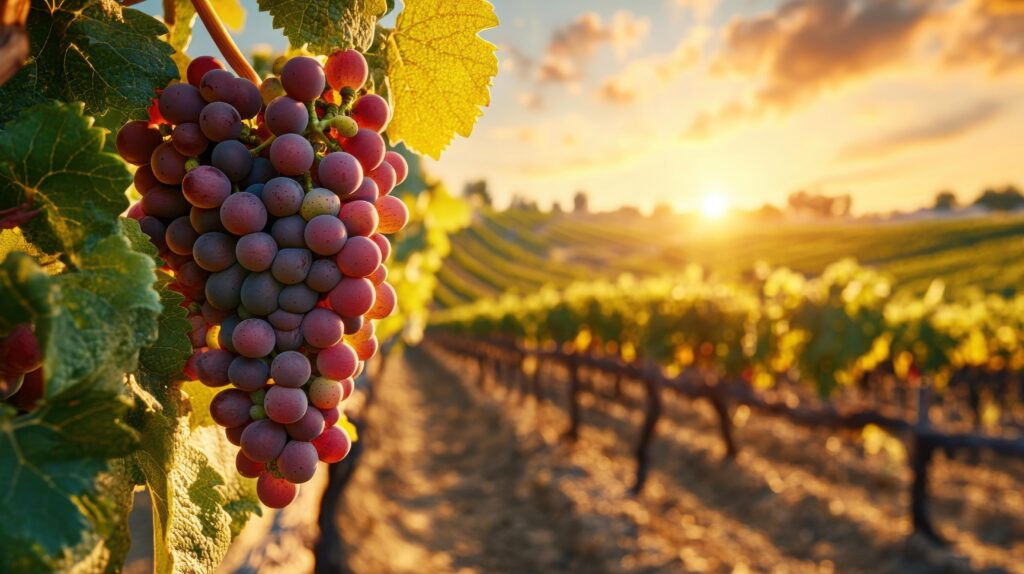
Wine in 2026–2027 is being reshaped by three simultaneous forces: (1) moderation and “alcohol-appropriate” occasions, (2) climate pressure that rewards resilient viticulture and faster adaptation cycles, and (3) procurement models that increasingly demand customization — from brand narratives to technical specifications that match local tastes and regulations.
Overlay that with growing cultural crossovers (food culture, beverage mixing, and global flavor expectations), and you get a market where “traditional” is no longer a single lane — it’s a toolkit.
Introducing 3 key trends shaping the wine industry below, for a better taste of the drink business.
1) Low & No-Alcohol (LoNo) Moves from “Substitute” to “Category”
No- and low-alcohol wine is no longer positioned as a sacrifice; it’s increasingly treated as its own quality tier with improved flavor outcomes, more serious brand storytelling, and clearer labeling compliance.
Industry and media coverage in 2026 frames LoNo as emphasizing authenticity and craftsmanship — not just de-alcoholization — citing producers’ focus on flavor preservation and style intent as in BeverageDaily’s post.
Regulatory clarity matters for global trade: in this regard, the International Organisation of Vine and Wine (OIV) specifies the definitions (including the technical boundary around <0.5% ABV) which is a key anchor for consistency of terminology.
2. Climate-Resilient Hybrids & Grape Selection
Global wine production and trade are being pressured by climate variability, and adaptation is explicitly part of the sector’s forward agenda. OIV’s 2025 sector outlook (released May 2026) highlights climate events impacting production across hemispheres, reinforcing the need for adaptation planning.
In view of such pressing needs for climate-resilient species, scientific reviews such as Nature’s emphasize that adaptation includes shifting plant material (varieties/rootstocks), training systems, and vineyard management practices.
To frame it commercially, climate-resilient hybrids offer the following “benefits”:
- more stable performance under stress,
- earlier/more controllable ripening windows,
- and consistent aromatic profiles across variable vintages.
3. Cultural Crossovers & Fusion: Wine Adopts Global Flavor Logic
Wine is increasingly consumed in settings and with flavor expectations that come from global beverage and food culture — meaning buyers want wines that:
- pair with cross-border cuisines,
- work in mixed or semi-mixed contexts (even when served “neat”),
- and match younger consumers’ occasion behavior.
Rather than one “fusion style,” some observable patterns include:
- hybridized food pairing (wine that behaves well with aromatic spice, herbs, and grilled flavors),
- regional crossover stories (e.g., “Mediterranean freshness” applied in multiple geographies),
- occasion-driven LoNo (zero/low where driving, workdays, and social moderation are priorities). (beveragedaily.com)
Wine Checklist for Sourcing Professionals
Here’s what global wine traders should consider when sourcing fine wine and spirits in the year ahead:
- LoNo line with compliance-ready labeling
- Climate-adaptive portfolio
- Cultural crossover fit, e.g., wines built for global cuisine pairing and evolving drinking occasions, including moderated social contexts
- Customization capability
Build your own wine portfolio by visiting the upcoming Hong Kong International Wine and Spirits Fair from 5 to 7 November 2026, join the onsite cocktail parties and be part of the winetasting sessions!
Reserve your spot early by clicking the following event banner:
Meanwhile, keep exploring our e-Marketplace for a number of wine and drink varieties:
Wine Trends FAQ
1. What does “low & no-alcohol” mean for wine?
Generally it refers to wines with reduced or removed alcohol content (often “dealcoholized” or “alcohol-removed” products), with ABV thresholds varying by market rules and labeling definitions.
2. What are climate-resilient hybrids?
3. What does wine cultural crossovers & fusion mean for sourcing?
It means wines are increasingly designed to work with global cuisines and modern drinking occasions—e.g., pairing with spicy/herbal foods, working well in mixed-service settings, and supporting moderated/social consumption.