

The difference between a one-time visitor and a loyal repeat customer often comes down to personalized touches that make the journey more relevant and enjoyable.
In this article, we’ll explore e-commerce personalization examples that show how brands can stand out at each stage of the customer lifecycle. From targeted emails to dynamic pricing, personalization directly improves the overall customer experience.
How Does E-Commerce Personalization Improve Customer Experience?
Personalization in e-commerce is all about aligning products, content, and promotions with individual preferences. By leveraging data-driven insights, marketers can design frictionless shopping journeys that resonate with each customer, increasing satisfaction, loyalty, and revenue.
By anchoring your strategy in data and tailored interactions, you can transform your e-commerce site into a platform that entices first-time visitors and keeps loyal customers coming back for more.
Here are some distinct advantages of personalization:
- Higher engagement: People are more likely to interact with messaging that speaks to their needs.
- Improved conversion rates: When customers see relevant products at the right moment, they’re more likely to buy.
- Enhanced loyalty: Personalized experiences cultivate a sense of belonging, turning casual shoppers into brand advocates.
8 Types Of E-Commerce Personalization
1. Product recommendations
Essentially, this is an automated “digital salesperson” guiding the shopper to relevant products.
Implementation tips
- Embed widgets on your homepage, product pages, and cart pages to display “Recommended for You” or “Customers Also Bought.”
- Use email marketing to send personalized product picks post-purchase or upon cart abandonment.
- Continuously monitor product recommendation performance (clicks, conversions, revenue lift) to optimize campaign performance.
2. Personalized email campaigns
Unlike generic email blasts, personalized email campaigns segment recipients based on factors like demographics, purchase history, or browsing behavior. Each email arrives with content and offers relevant to the individual’s context.
Implementation tips
- Use personalization tokens (e.g., first name, recently viewed items).
- A/B test subject lines and content blocks to see which variant resonates most with each segment.
- Incorporate location data to highlight region-specific shipping info or local store events.

3. Personalized homepages and landing pages
When a returning visitor lands on your site, the homepage (or specific landing page) changes based on their profile, past interactions, or location—offering tailored visuals, product highlights, or calls-to-action.
Implementation tips
- Greet returning users by name or reference previous items they viewed.
- You can switch up banner images and hero text for different segments.
- Integrate real-time inventory data to highlight availability in the user’s local store.
4. Dynamic pricing strategies
Dynamic pricing allows e-commerce stores to adjust prices in real-time based on supply, demand, user behavior, or even loyalty status. While it can be sophisticated, dynamic pricing is a powerful tool for maximizing profits without scaring off price-sensitive customers.
Implementation tips
- Segment wisely: Offer small discounts to cart-abandoners if that’s proven to push them over the finish line.
- Monitor competitors: Monitor external pricing to avoid significant discrepancies customers could see as gouging.
- Test before full rollout: Dynamic pricing can be polarizing if implemented abruptly.
5. Behavioral targeting ads
Behavioral targeting shows ads to people based on their interests or behaviors—like products they’ve looked at, visited pages, or items left in a cart.
Implementation tips
- Create lookalike audiences of high-value customers to expand your reach.
- Use frequency caps to avoid oversaturating the same audience with identical ads.
- Sync your CRM or CDP data with ad platforms (Google, Facebook, etc.) for real-time updates.
6. Tailored content and messaging
Tailored content personalizes everything from blog articles to push notifications based on user context—recent activities, preferences, or even time of day.
Implementation tips
- Use journey mapping to identify key interaction points (first purchase, milestone achievements, membership anniversaries).
- Develop a library of messages tailored to these milestones.
- To maintain relevance, employ dynamic fields (e.g., user name, last purchased item, and local weather conditions).

7. Personalized push notifications
Push notifications are short, clickable alerts on mobile or desktop devices. Personalizing them involves sending context-aware messages that resonate with each user’s behavior or purchase patterns.
Implementation tips
- Combine user location data with prior purchase habits for timely alerts.
- Send re-engagement pushes to dormant users with relevant discounts or new arrivals.
- Test frequency to avoid push fatigue.
8. Personalized loyalty programs
Loyalty programs go beyond one-size-fits-all points systems by offering exclusive rewards tied to a shopper’s actual interests, purchase behavior, and brand interactions.
Implementation tips
- Combine loyalty data with email or SMS personalization for synergy.
- Offer bonus points for specific actions (writing a review, sharing on social, etc.).
- Use mobile wallet integrations for frictionless redemption.
This article is originally published by Emarsys:

Emarsys, an SAP company, is the omnichannel customer engagement platform that empowers marketers to build, launch, and scale personalized, cross-channel campaigns that drive business outcomes. We partner with more than 1,500 companies from global enterprises to fast-moving mid-market brands across industries.
Expand Your Global Reach with hktdc.com Sourcing
Other than engaging customers with effective and personalized campaigns, expanding your B2B customer base is also vital to sustain your business growth. It is of great importance to choose a trusted e-commerce platform like hktdc.com Sourcing that spans international markets for decades.
Start connecting with global sourcing peers on our e-Marketplace by becoming our supplier:
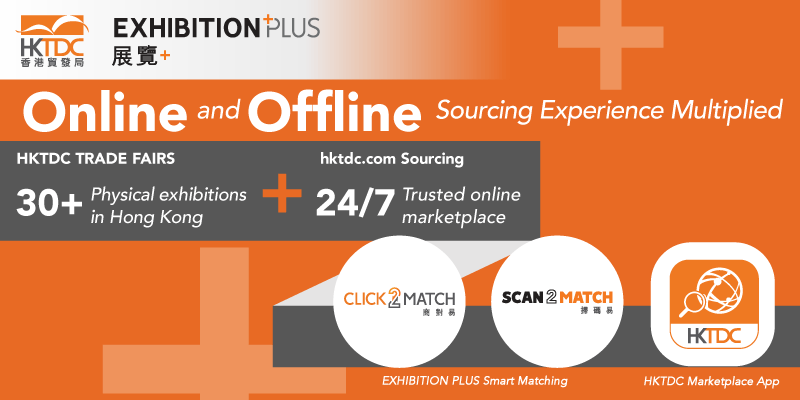
Beyond online sourcing, explore our hybrid model, EXHIBITION+, featuring:
- Physical fair experience
- Click2Match smart business-matching technology
- Intelligence Hub online-to-offline seminars
- Integrated hktdc.com Sourcing platform access
E-Commerce Personalization FAQ
1. How does e-commerce personalization improve customer experience?
Personalization improves customer experience by making every interaction feel more relevant and timely. When shoppers see products that match their interests, get emails that reflect their purchase history, and land on homepages tailored to their preferences, they’re more likely to engage, convert, and come back. The result is higher engagement, stronger conversion rates, and deeper loyalty over time.
2. What are the most effective types of e-commerce personalization?
8 tactics cover most of what e-commerce marketers need: AI-powered product recommendations, personalized email campaigns, personalized homepages and landing pages, dynamic pricing, behavioral targeting ads, tailored content and messaging, personalized push notifications, and personalized loyalty programs. Most brands get the strongest results by combining several of these so the experience stays consistent across the journey.
3. How can I measure the impact of e-commerce personalization?
Track metrics tied to each tactic. For product recommendations, monitor click-through rates, conversion lift, and revenue per session. For email campaigns, look at open rates, engagement, and revenue per send. For loyalty programs, measure sign-ups, repeat purchase rates, and customer lifetime value.