
EVENTS
Beyond the Runway: Global Fashion Trends Set to Dominate the 2027 Scene
The global fashion landscape for 2026–2027 is shifting from “uncertainty” to “challenging,” according to the McKinsey & Co. State of Fashion 2026 report, as the


The global fashion landscape for 2026–2027 is shifting from “uncertainty” to “challenging,” according to the McKinsey & Co. State of Fashion 2026 report, as the

对于企业主、创业团队以及做跨境业务的中小企业来说,「计划」和「实际」之间的差距,往往决定了一门生意能否走得长远。 差异分析可以帮你及早发现这些偏差,理解背后的原因,在小问题演变成大麻烦之前及时调整策略,守住现金流和利润底线。 什么是差异分析? 差异分析是将你的计划财务表现(你预算或预测的)与实际结果进行比较的过程。它回答了一个简单但关键的问题:为什么现在的数字与预期不同? 进行差异分析的过程,是在识别现实与计划偏离的地方。是否在营销方面超支?或低估了生产成本?在关键市场未能达到收入目标?每一个差异数值都或多或少影响了实际数字。 这种做法不仅仅是为了发现问题。它关乎在精细层面理解业务表现,以便快速做出明智的决策。对于预算紧张、运营资金有限的中小企业和创业公司来说,有效的差异分析可帮助实现可持续增长,防止产生意外现金流缺口。 常见的差异类型 不同业务部分会产生不同类型的差异。理解每种差异,能帮你准确找出需要深究的地方。 01 收入/销售差异 收入/销售差异被用于衡量预计收入与实际销售额之间的差距。如果预测销售额为50万港元,但实际销售仅有42.5万港元,那么就产生了7.5万港元的不利差异。 常见原因:客户需求低于预期、价格调整、交易延迟完成,或未能考虑到的季节性波动。 02 销售成本(COGS)差异 销售成本差异追踪的是预算生产成本与实际成本之间的差额。这一差异包括原材料、直接参与生产的人力,以及变动制造费用(如与产量直接相关的制造费用)。 示例:如果你的预算中材料成本为20万港元,但由于供应商涨价,实际花费了23万港元,那么就产生了3万港元的不利材料差异。 03 运营支出差异 运营支出,如市场营销费用、租金、软件订阅费和非生产人员工资,很容易偏离预算。运营支出差异显示你在这些领域是超支或节省了开支。 常见原因:计划外招聘、广告成本高于预期,或来自第三方工具的预期外费用。 04 利润差异 这是最终的差异:预期利润与实际利润之间的差距。它会受到收入和成本差异的双重影响,是衡量业务整体表现差异的高阶指标。
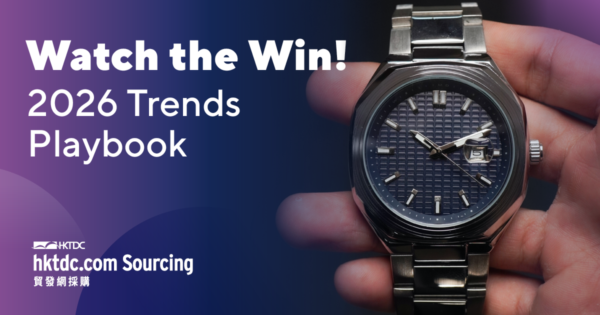
It is an exciting time in the world of horology as we look ahead to 2026, where the market is shifting from “hype culture” to

Logistics as a Strategic Differentiator Global supply chains are in a new phase of disruption and redesign. Freight costs remain volatile, customs requirements are tightening,

Global supply chains entered 2026 with a paradox at their center. Manufacturing and logistics networks worldwide are running with significant unused capacity—a metric tracked by

Quiet nights at home are becoming the new default “night out” for many consumers, especially younger generations who now prioritize comfort, control and meaningful connection

Asia-Pacific’s jewellery market is moving into 2026 on a solid footing, even as consumer behaviour and retail channels continue to evolve. Across the region, jewellery

Swiping has become the new storefront. Social media platforms now drive the majority of product discovery, with consumers encountering everything from lab-grown diamond rings to

Global supply chains are undergoing a fundamental reconfiguration as businesses adjust to a fast-evolving trade environment shaped by geopolitical tensions, protectionist policies, and lessons from

Asia’s consumer economy is entering a new stage where demand is shaped on screens but fulfilled through structured, data-driven sourcing channels. For suppliers, this “scroll-first,

China’s open-source push in artificial intelligence (AI) is rapidly reshaping the global landscape, with its models increasingly powering Western platforms and businesses. The trend gained

Asia-Pacific is entering 2026 as the world’s most important engine of consumer growth, with rising middle‑income households now approaching their spending in a more disciplined