Sustainable Innovation in Textiles: PFAS Phase-Out
Per- and polyfluoroalkyl substances (PFAS), long valued in the textile and footwear industries for their water-repellent, stain-resistant, and durable properties, are increasingly being phased out due to environmental persistence and potential health risks. Mounting global regulations have transformed these “forever chemicals” from an industry asset into a major compliance and reputational challenge.
By 2025, PFAS management had evolved into a coordinated worldwide effort to restrict or eliminate their use.
Region
Key Regulatory Actions
Europe
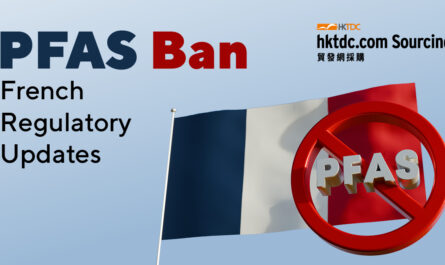
France banned PFAS in cosmetics, textiles, and ski waxes
Denmark prohibited PFAS in clothing and footwear
The EU is progressing toward an EU‑wide restriction under REACH, proposing a total fluorine threshold ≤ 50 mg F/kg
United States
Several state bans led by California under AB 1817; Prop 65 lawsuits prompted reformulations. PFAS also added to the Toxics in Packaging Clearinghouse restricted list.
Canada
Introduced a new PFAS Reporting Rule requiring disclosure of PFAS use across supply chains.
Asia
China categorized PFAS as Highly Restricted Toxic Chemicals
Japan added them under Class I Specified Chemical Substances regulations
These aligned actions signal the global phase‑out of PFAS from textiles and consumer supply chains.
Regulatory fragmentation: Disparate thresholds and rapid policy shifts challenge global sourcing consistency.
3. Sustainable Industry Innovation and PFAS Alternatives
Driven by regulation and sustainability goals, brands, mills, and chemical companies are investing in PFAS‑free chemistry. Innovations include:
Non‑fluorinated finishing agents that balance performance and sustainability.
New membrane technologies — microporous biodegradable polymer blends and monolithic membranes delivering waterproof, breathable protection without fluorine.
Enhanced chemical management systems with pre‑market PFAS detection protocols.
Source Sustainable Textiles from Our ESG-Certified Suppliers!
Choosing certified sustainable suppliers doesn’t just help the planet — it’s also a smart business move. More customers are choosing brands that take sustainability seriously. By sourcing from HKTDC’s green-certified suppliers, you’re making a clear statement: your business is committed to responsible sourcing and environmental stewardship.
Visit the Green & Sustainability Certified Suppliers page and connect with trusted industry players who can help you build a greener supply chain. Together, we can make sustainability the standard, not the exception.
This article is originally published by SGS. For more details, please visit SGS TIC Mall.
SGS is the world’s leading Testing, Inspection and Certification company. Our brand promise – when you need to be sure – underscores our commitment to trust, integrity and reliability.
Sustainable Textiles FAQ
1. What are PFAS, and why are they used in textiles?
PFAS (per- and polyfluoroalkyl substances) are a large group of synthetic chemicals known for their water repellency, stain resistance, and durability. For decades, they were widely used in textiles, outdoor apparel, and footwear to enhance performance and longevity.
2. Why are PFAS being phased out?
Scientific studies have shown that PFAS are environmentally persistent (“forever chemicals”) and potentially harmful to human health. Their persistence, bioaccumulation, and toxicity have drawn global regulatory scrutiny, prompting restrictions and bans.
3. What’s the long‑term outlook for PFAS in textiles?
PFAS phase‑outs are irreversible and accelerating, driving regulatory harmonization, technological innovation, and greater transparency. The shift is seen not as a setback but as an opportunity for industry transformation and sustainable competitiveness.