



Asia-Pacific is entering 2026 as the world’s most important engine of consumer growth, with rising middle‑income households now approaching their spending in a more disciplined way. This “next consumer middle” is reshaping demand by redirecting limited budgets toward products that deliver clear, day-to-day value—balancing price, quality and purpose in far more intentional ways.
APAC 2026: A powerful but cautious consumer engine
Across the region, this growth story is being powered by an expanding middle class whose spending patterns are evolving rather than simply accelerating. Analysis for 2025 estimated that Asia would contribute over 80% of the world’s 134 million new consumers, underscoring how critical the region’s emerging and expanding middle class will be for global demand in the coming decade. Another outlook suggests Asia’s discretionary spending will rise from about $23 trillion in 2025 to roughly $35 trillion by 2035, highlighting strong long‑term upside even as short‑term sentiment stays cautious.
The middle class is not only expanding; it is set to dominate global spending. Projections drawing on Organisation for Economic Co‑operation and Development (OECD) work indicate that by 2030 around 65% of the world’s middle class—about 3.5 billion people—will live in Asia, and Asia will account for more than half of global middle‑class expenditure. At the same time, consumer‑sentiment data for Q4 2025 showed that in several APAC markets, particularly Australia and parts of East Asia, middle‑income consumers were starting to pull back on discretionary categories even as higher‑income segments continued to spend. Buyers in 2026 therefore face a dual reality: structurally strong growth, but a more selective and cautious consumer mood.
Who is APAC’s “next consumer middle”?
Several studies help quantify this “next consumer middle.” Mastercard’s work on inclusive growth in ASEAN describes Asia’s emerging middle class as consumers with daily spending power of roughly $13–$120, representing households that have moved beyond basic subsistence and can allocate income to education, health and lifestyle products. A separate Asian expert series, drawing on Oxford Economics, uses a disposable‑income band of about $20,000–$70,000 per year to define the region’s middle class, again capturing consumers with room for non‑essential purchases.
These households are central to APAC’s spending outlook. One projection suggests that Asia’s middle‑class expenditure will reach more than half of global middle‑class spending by 2030, driven largely by APAC markets. This “next consumer middle” includes emerging middle‑income households in Southeast Asia and India alongside more established urban families in Chinese Mainland, Korea and Australia that feel cost‑of‑living pressure but still want a better quality of life. For buyers, this group sits in the crucial middle of the income spectrum: they are not core luxury clientele, but they are also far from purely price‑driven bargain hunters.

How the “next middle” earns, spends and shops
A tight but protected discretionary pocket
For most middle‑income households in APAC, essentials still dominate the wallet. Regional analyses show that food, housing, utilities and transportation take the largest share of spending, with categories such as education and healthcare also accounting for meaningful portions of monthly budgets. After these core costs, the discretionary portion that remains is limited but actively reserved for purchases viewed as “smart upgrades” that enhance daily comfort, self‑presentation or family experiences.
McKinsey’s late‑2025 consumer‑sentiment snapshot notes that net intent to spend is positive for essentials but negative for many discretionary goods, pointing to ongoing caution. At the same time, NIQ’s 2025–2026 outlook finds that APAC consumers are willing to pay more for products that are seen as better quality, longer lasting or more aligned with values such as health and sustainability, even as they seek savings elsewhere. Taken together, these findings suggest that the next consumer middle is reallocating spend rather than shutting off discretionary categories.
Where the “next middle” still spends
Across APAC, this more careful mindset is changing what households spend on, not just how much they spend. Analyses of Asia’s consumer growth show that as incomes rise, spend is shifting toward categories that support personal image, practical everyday convenience, more comfortable homes and better at‑home experiences—even when consumers remain cost‑conscious overall.
Within this environment, four clusters offer especially strong opportunities that align with how the next consumer middle is reallocating discretionary budgets: jewelry, eco‑friendly reusables, homeware & lifestyle essentials, and home audio/projection.
Jewelry for smart everyday shine
Jewelry shows how APAC’s middle‑income consumers are cautious yet still prepared to spend where value is obvious. A global study estimated the jewelry market at about $378.2 billion in 2025 and projects it to reach roughly $842.1 billion by 2033 at a 4.8% CAGR, with APAC accounting for the largest regional share in both volume and value. Regional breakdowns indicate that India, Chinese Mainland and Japan together account for more than three quarters of the jewelry market in Asia-Pacific by value, underlining the region’s depth of demand.
Within APAC, specific segments are expected to expand even faster. One report forecasts the Asia-Pacific gems and jewelry market to grow at a 10.8% CAGR between 2024 and 2031, supported by rising incomes and ongoing appetite for gold and diamond jewelry in markets like India and Chinese Mainland. Another analysis projects the Asia-Pacific crystal jewelry market to reach around $10.6 billion by 2033, growing at about a 7.6% CAGR driven by younger consumers and online channels.
For the next consumer middle, demand is shifting from occasional, high‑ticket pieces toward high‑quality fashion jewelry and accessible diamond or gemstone designs that can be worn regularly. Consumers in this band look for minimalist, versatile necklaces, earrings and rings that can move easily between office, weekend and social settings, delivering emotional value each time they are worn. Reliable plating, hypoallergenic metals and comfortable fit become part of the value equation, as shoppers use reviews and social content to evaluate whether pieces hold up over time.

Eco friendly reusables for smart, sustainable daily life
Eco‑friendly reusables connect two powerful forces in the region: budget consciousness and rising environmental awareness. APAC trend trackers report that more consumers are incorporating sustainability into their definition of value, particularly among younger and urban middle‑income segments. At the same time, governments in markets such as Chinese Mainland, India and parts of Southeast Asia have introduced restrictions on single‑use plastics, encouraging reusable drinkware, containers and bags.
The Asia-Pacific reusable water bottle market illustrates this clearly. One study estimates that the regional reusable bottle market generated about $3.9 billion in revenue in 2024 and is expected to reach approximately $5.2 billion by 2030, at a 5.1% CAGR from 2025 to 2030. A global reusable bottle analysis also notes that APAC accounted for around 39% of the worldwide market by value in 2023—roughly $4 billion—driven by health awareness, environmental concerns and regulatory pressure. These trends are mirrored in growing demand for reusable lunch boxes, utensil sets and shopping totes.
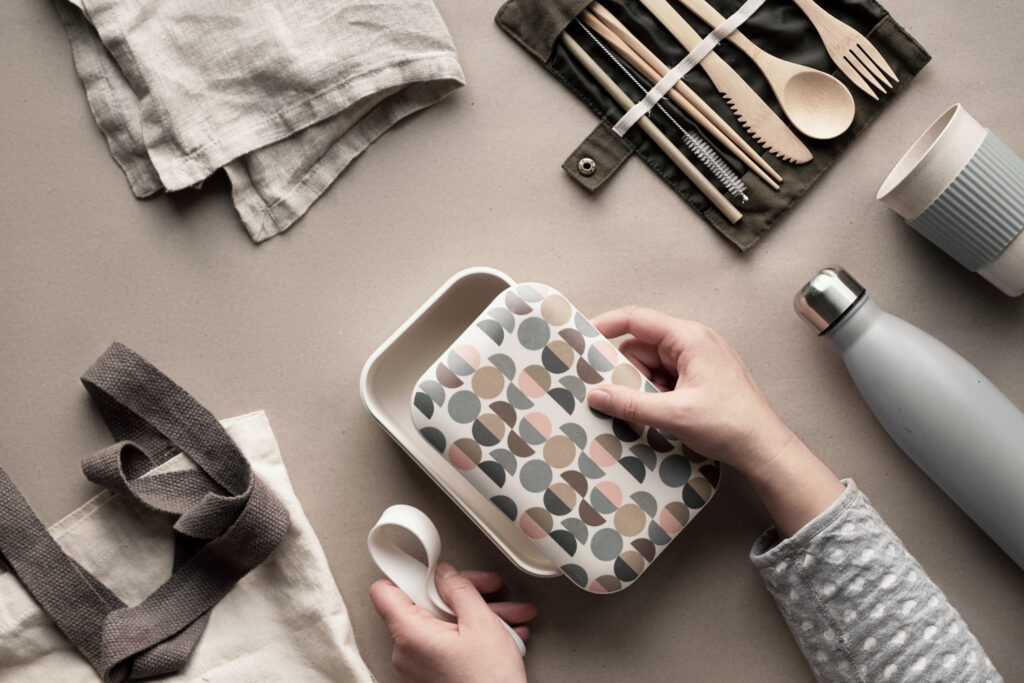
For the next consumer middle, these items offer daily practicality with a “purpose” narrative. Biodegradable or durable reusable tumblers, utensil kits, tote bags and lunch boxes support commuting, office life and school, while helping consumers reduce reliance on disposables and signaling more responsible lifestyles. Most importantly, they do this at price points that feel justifiable when spread over months or years of use.
Homeware & lifestyle essentials for upgraded living
Homeware and lifestyle essentials are a natural outlet for APAC’s value‑driven middle‑income consumers, who are paying more attention to how their homes look and function. As living standards rise and more socializing shifts back into the home, demand is growing for practical yet elevated items—from storage and décor to tableware and barware—that make daily routines and gatherings feel more polished.
Within this broad space, tableware and barware stand out as categories where “small upgrades” deliver visible impact. Ceramic tableware reports for Asia-Pacific highlight steady growth in markets such as Chinese Mainland, Japan and Southeast Asia, driven by rising incomes, a larger foodservice sector and a stronger focus on home dining aesthetics. At the same time, broader home and lifestyle analyses point to growing interest in glassware, drinkware and simple bar accessories as consumers recreate café and bar experiences at home.
For the next consumer middle, these products are not luxuries; they are accessible lifestyle enhancements. Mid‑priced plates, bowls, serving dishes, glasses and barware let households elevate weekday meals, weekend brunches and small gatherings without significantly increasing monthly expenses. Shoppers in this band tend to prioritize durable materials, microwave and dishwasher safety, stackability and cohesive design stories that keep the table and drink station looking coordinated.
Buyers aiming at this demand can look beyond basic tableware to curated “homeware & lifestyle essentials” stories that bundle plates, bowls, glassware and simple bar tools around specific use occasions such as family dinners, home entertaining or small celebrations. Collections that allow consumers to refresh their core table and drink setup in one or two planned purchases align closely with the more intentional spending mindset of APAC’s next consumer middle.

Home audio and entertainment for better nights in
Home audio and projection fit directly into APAC’s evolving leisure habits. Streaming and gaming usage across the region remains elevated, and a growing share of entertainment time is spent at home rather than outside, partly as a response to cost‑of‑living pressures. Consumer outlooks indicate that many households are replacing some out‑of‑home leisure with “nights in,” redirecting budgets toward equipment that makes home viewing and listening more enjoyable.
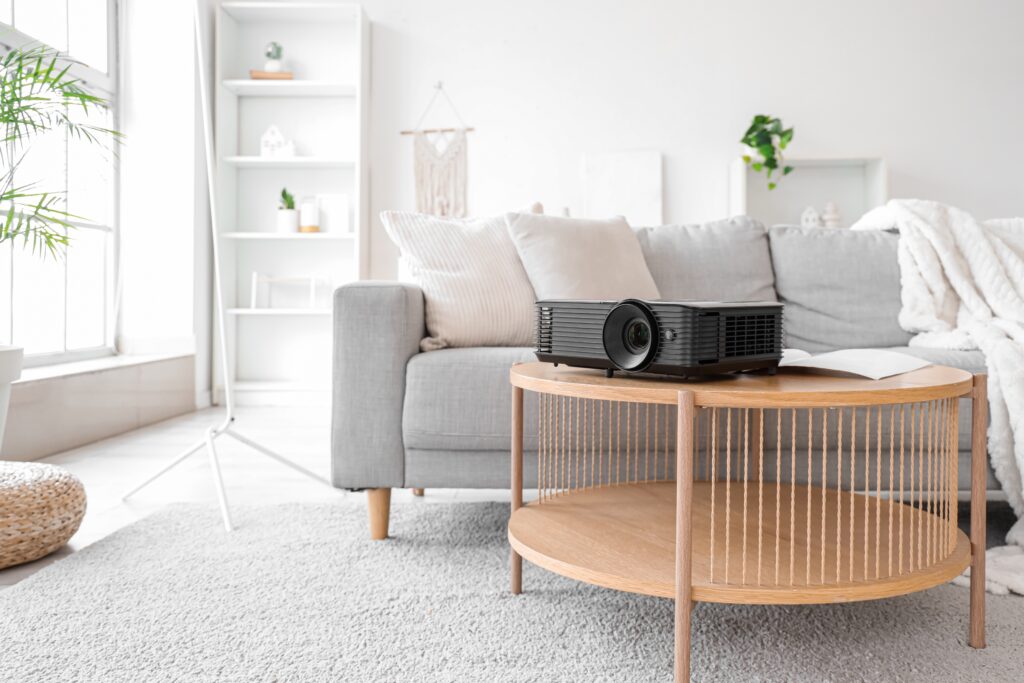
This environment favors mid‑range audio and projection equipment that offers a clear improvement over built‑in speakers but remains accessible to middle‑income budgets. Compact Bluetooth speakers, soundbars, box speakers and short‑throw or portable projectors are particularly attractive in dense urban markets where living spaces are smaller and flexibility matters. Consumers evaluate these devices carefully, using online reviews and specifications to judge sound quality, connectivity, reliability and ease of installation before committing to a purchase.
For buyers, the core opportunity is to curate product lines that balance performance with price and simplicity. Devices that are easy to connect to smartphones, tablets and TVs, perform well at typical apartment volumes and come with credible warranty and after‑sales support align well with the next consumer middle’s desire for high value per use without taking on unnecessary risk.
Turning insights into sourcing decisions
Looking across income bands, sentiment data and category trends, several strategic implications for buyers serving APAC emerge. First, the region’s next consumer middle will remain the primary driver of consumption growth toward 2030, but this growth will be channeled into categories that deliver tangible everyday value rather than broad‑based discretionary splurging. Treating APAC purely as a low‑price, high‑volume market risks overlooking consumers who are ready to pay more for the right mix of quality, design and functionality.
Second, the categories best positioned for this segment—jewelry, eco‑friendly reusables, homeware & lifestyle essentials and home audio—share several traits. They are used frequently, visible in social or family contexts, and easy for consumers to justify as rational upgrades, not indulgences. This makes them natural candidates for planned purchases, particularly when households are shifting spend away from items that have less impact on daily life.
Third, digital comparison behavior raises the bar for product selection and presentation. Buyers need assortments that stand up to side‑by‑side scrutiny on price‑to‑performance, supported by clear communication of materials, benefits and use cases in product content. In a market where many consumers say they are delaying purchases but still willing to trade up selectively, products that combine mid‑range price points with strong perceived value and credible stories around durability, sustainability or experience are likely to perform best.
Finally, the medium‑term outlook points to continued upside. Asia’s discretionary spending is projected to rise by around $12 trillion between 2025 and 2035, and Asia’s middle class is expected to account for the majority of global middle‑class expenditure by 2030. As households progress within the middle‑income band, spending on personal expression, home upgrades and quality everyday products is likely to deepen, especially in APAC’s large urban markets.
From analysis to action
For buyers planning 2026 and beyond, aligning sourcing decisions with how APAC’s value‑driven middle‑income consumers actually live, spend and upgrade will be essential. By translating these insights into targeted, mid-market assortments and partnering with trustworthy suppliers on hktdc.com Sourcing, buyers can capture demand from this “next consumer middle” and position themselves to grow with Asia-Pacific’s most important consumer segment over the coming decade.
Bonus for Suppliers
Buyers are actively sourcing jewelry, eco‑friendly reusables, homeware & lifestyle essentials and home audio that match APAC’s value‑driven “next consumer middle.” Join hktdc.com Sourcing now to showcase your solutions in these growth categories and connect with buyers planning 2026‑ready assortments for Asia-Pacific and beyond.
APAC middle class and discretionary spending
OECD, Brookings Institution, World Data Lab, World Bank: Global and Asia-Pacific middle-class size, share of global middle-class spending toward 2030, and regional expenditure projections.
Oxford Economics, Mastercard Inclusive Growth in ASEAN, regional development and macroeconomic outlook series: Definitions of Asia’s emerging and middle class (daily spend and annual disposable income bands), Asia’s share of new global consumers, and projections for discretionary spending growth to 2035.
APAC consumer sentiment, value and category reallocation
McKinsey Consumer Sentiment and Asia-Pacific Consumer Pulse (2024–2025): Net intent to spend by category, cautious middle‑income sentiment, and trade‑up behavior for quality, durability and health/sustainability benefits.
NIQ (NielsenIQ), Euromonitor, Retail Asia, Hong Kong Business: APAC consumers’ willingness to pay more for better quality and longer-lasting products, reallocation from some discretionary categories to higher‑value essentials and home‑focused spending.
Jewelry and gems market, global and Asia-Pacific
Grand View Research, Allied Market Research, Fortune Business Insights: Global jewelry market size (around $378.2 billion in 2025), projected growth to roughly $842.1 billion by 2033 at about 4.8% CAGR, and regional contribution of APAC.
Mordor Intelligence, IMARC Group, Research and Markets: Asia-Pacific gems and jewelry and crystal jewelry market forecasts (CAGR around 7.6%–10.8% to 2031–2033) and leading roles of India, Chinese Mainland and Japan in regional demand and value share.
Eco-friendly reusables and reusable drinkware in APAC
Credence Research, SNS Insider, Research Dive: Asia-Pacific reusable water bottle market size (around $3.9–4.0 billion in 2023–2024), projected revenue of roughly $5.2 billion by 2030 at about 5.1% CAGR, and APAC’s ~39–40% share of the global market.
Regional policy and trend reports (Chinese Mainland, India, ASEAN): Regulations on single‑use plastics, growth in reusable drinkware, lunch boxes, utensil sets and shopping totes linked to health, environmental awareness and cost-of-living pressures.
Homeware, tableware and lifestyle essentials in Asia-Pacific
Research and Markets “Asia-Pacific Tableware Market Outlook 2029” and related ceramic tableware reports: Demand growth linked to rising incomes, home dining, hospitality expansion and aesthetic upgrades in Chinese Mainland, Japan and Southeast Asia.
Cognitive Market Research, Ken Research, LinkedIn industry briefs on Asia-Pacific homeware and kitchenware: Homeware market size, mid‑single‑ to high‑single‑digit CAGRs to 2031, and growth in mid‑priced tableware, glassware, drinkware and simple bar accessories for home entertaining.
Home audio, projection and in-home entertainment
Grand View Research, Mordor Intelligence, IMARC Group: Global and Asia-Pacific home audio, Bluetooth speakers, soundbars and home projector market sizing, mid‑range segment growth, and increased at‑home entertainment usage in APAC.
Regional streaming, gaming and digital leisure reports for Asia-Pacific: Elevated streaming and gaming time, “nights in” behavior, and substitution of some out‑of‑home leisure with at‑home entertainment investments among middle‑income households.