


The global consumer goods market is undergoing a significant structural shift. While premium and discretionary categories face headwinds—with luxury spending under pressure and high-ticket purchases being deferred—a fundamentally different dynamic is unfolding in the household essentials sector. Market data reveals that consumers are not cutting back uniformly across all categories. Instead, they are being selective, prioritizing spending on products that deliver measurable value to their daily lives while representing essential, recurring purchases.
This bifurcation in consumer behavior creates a distinct opportunity for suppliers. The categories that benefit from this shift share common characteristics: they are purchased frequently, they command strong price elasticity when innovation is present, and they are resistant to economic cycles. For suppliers positioned in these markets, the question is no longer whether demand will exist, but how to capture disproportionate share through design, feature innovation, and margin expansion.
Market Resilience: Why Essentials Outperform in Volatile Times
Data from McKinsey & Company’s “State of the Consumer 2025” report indicates a distinct divergence in spending. While 50% of consumers plan to delay purchases in discretionary categories like jewelry and electronics, spending intentions for essential categories remain robust. Specifically, 40% of consumers expect to maintain their spending on household essentials, proving the sector’s resilience against economic headwinds.
Furthermore, Barclays’ 2025 Consumer Spending data reveals that while overall credit card spending declined by 0.2% due to careful budgeting, the household goods sector showed necessary stability compared to purely discretionary sectors. AlixPartners’ 2025 Global Consumer Outlook reinforces this, noting that consumers globally are redirecting discretionary budget toward “at-home” essentials—investing in the spaces and products that enhance daily comfort and functionality.
This data underscores a critical insight for suppliers: In uncertain economic climates, the home environment becomes a priority investment. Rather than cutting spending entirely, consumers are making deliberate choices to upgrade the products they interact with most frequently, seeking better performance, design, and functionality. This spending pattern is creating unprecedented margin opportunities in segments where innovation meets necessity.

1. Small Appliances: Efficiency Meets Style
The small domestic appliance market has evolved from a functional necessity into a lifestyle statement. As urbanization trends continue and kitchens become central living spaces, particularly in markets like Chinese Mainland and North America, consumers are investing in appliances that offer both performance efficiency and aesthetic appeal.
The Shift to Design-Led Products
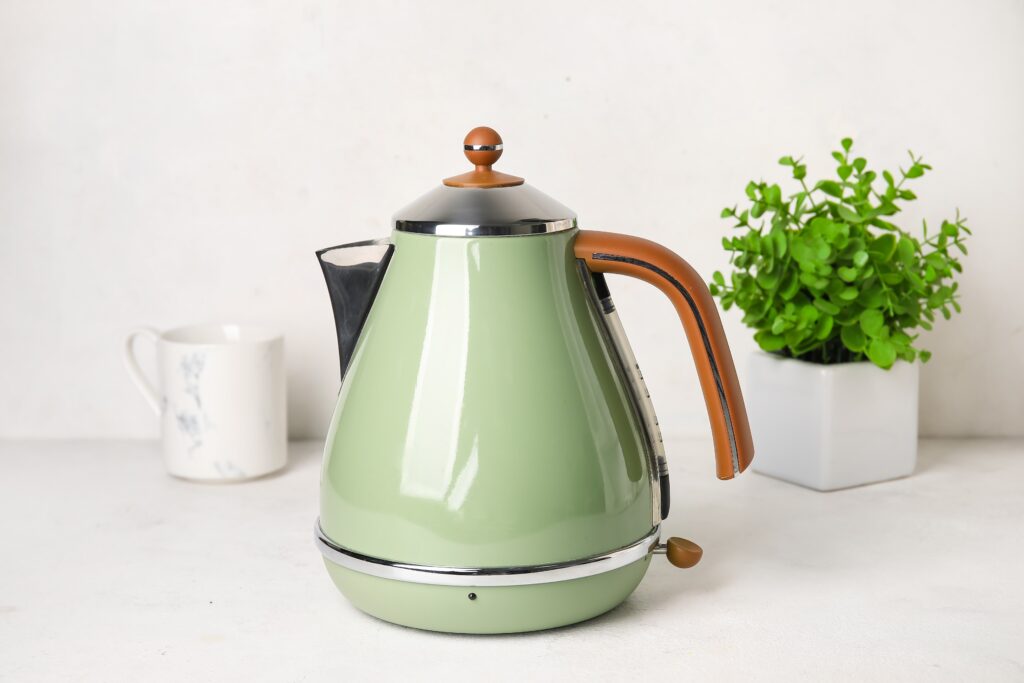
Historically, small appliances were utilitarian tools stored away in cupboards. Today, they are displayed openly, driving demand for premium finishes, cohesive color collections, and compact, sleek designs. A toaster or kettle is no longer just a tool; it is a piece of decor that complements the home’s interior. This shift allows suppliers to command higher margins by offering distinct design languages—such as matte finishes, retro styling, or minimalist aesthetics—that trigger upgrades even when a consumer’s existing appliance still functions.
Market Growth and Future Outlook
The global small domestic appliance market is robust. According to Fortune Business Insights, the market size is projected to reach $212.3 billion in 2025, growing to $301.2 billion by 2032 at a CAGR of 5.1%. This steady expansion is fueled not only by new household formation but by the “replacement cycle” driven by specific innovations.
Key drivers for 2026 and beyond include:
- Energy Efficiency: With rising global energy costs, buyers are actively sourcing eco-friendly models. Suppliers who can demonstrate lower power consumption without sacrificing performance will gain a competitive edge.
- Smart Integration: Even entry-level appliances are now expected to offer convenience features, such as precise temperature controls, auto-shutoff sensors, or app connectivity.
- Multifunctionality: As living spaces in urban centers shrink, demand is surging for “2-in-1” devices (e.g., air fryer ovens, toaster-steamers) that maximize utility in a smaller footprint.
Supplier Opportunity:
Manufacturers who move beyond basic utility to offer energy-efficient, design-forward, and multifunctional units will capture the highest value. Offering a “family” of products with a unified design language encourages multi-unit sales, as buyers seek to match their kettle, toaster, and blender.
Are your appliance designs ready for the global stage? Join hktdc.com Sourcing to showcase your energy-efficient and design-led innovations to buyers actively sourcing for 2026.
2. Home Utility & Organization: Tech-Enabled Essentials
The home utility and organization sector has transformed from a mundane category into a high-growth market. The modern consumer demands storage and utility solutions that are functional, durable, and increasingly, technology-enabled.
The Rise of Premium Materials
As consumers invest in home environments, demand for premium materials—such as woven fabrics, bamboo, and high-quality clear acrylics—has surged. Eco-friendly options now command market preference, reflecting a broader consumer shift toward sustainable household goods. This emphasis on material quality and environmental responsibility is reshaping buyer expectations across the category.
Smart Innovation in Everyday Items
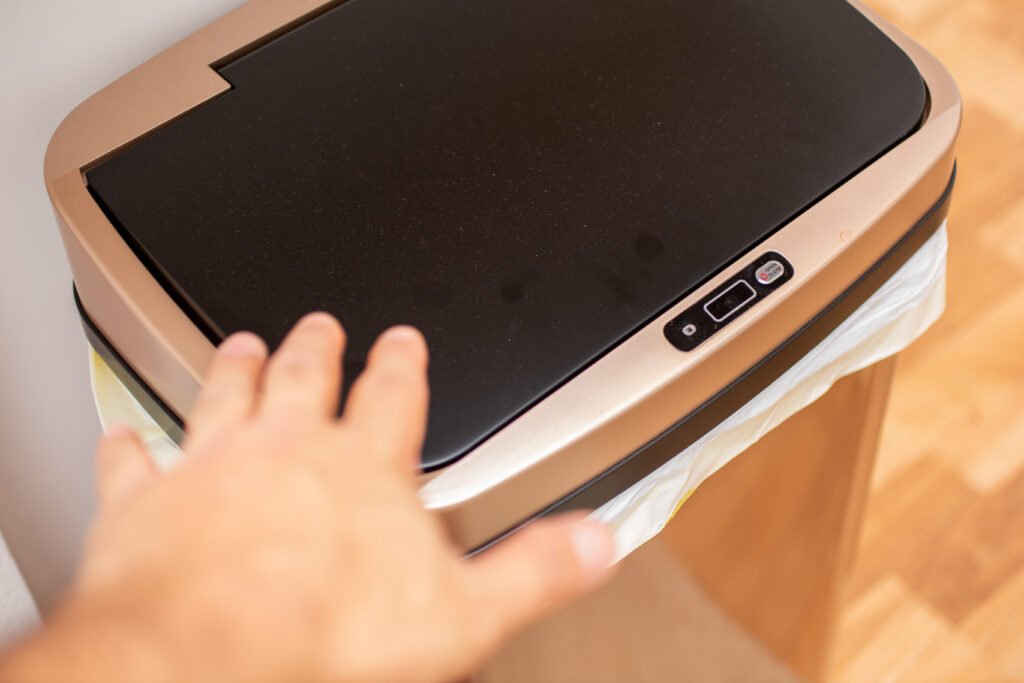
Beyond material choices, innovation is reaching the most overlooked corners of the home—particularly in waste management. The smart garbage can market is rapidly expanding, illustrating how even basic utility products are being transformed through technology. Grand View Research reports that the global market for smart garbage cans is projected to grow at a robust CAGR of 12.4% from 2025 to 2030. This double-digit growth illustrates a broader trend: consumers are willing to upgrade to smart-enabled versions for the added convenience of features like motion sensors and odor-sealing technology.
Projected Market Expansion
The broader home organization and utility products market shows reliable, steady growth. Market Research Future projects the market will grow from approximately $14.6 billion in 2025 to $21.7 billion by 2035, expanding at a CAGR of 4.0%. This consistent demand underscores the category’s role as a stable revenue generator for suppliers.
Supplier Opportunity:
To capture this market, suppliers should adopt a “tiered” product strategy that exploits price elasticity. The opportunity lies in upgrading existing product lines: replacing standard plastics with certified eco-friendly materials (like FSC-certified bamboo) to satisfy sustainability mandates, or sourcing reliable sensor components to turn basic utility items into smart devices. By offering these upgraded versions alongside standard models, suppliers can give buyers a clear reason to choose the higher-value option—driven by verifiable material quality or added technological convenience.
Buyers are looking for the next big trend in home utility and organization. Register on hktdc.com Sourcing to connect with international buyers seeking eco-friendly materials and smart waste management solutions.
3. Personal Care Tools: The Premium Self-Care Boom
The personal care appliance market is witnessing a profound shift toward premiumization. Driven by the “self-care” movement and the availability of professional-grade beauty technology at consumer-friendly price points, people are investing heavily in at-home tools that deliver salon-quality results.
Investment in High-Performance Tools
Within the personal care category, salon-quality tools like facial devices and sensor-enabled styling equipment are gaining traction. The hair care segment has shown particularly significant growth, with consumers demonstrating a clear willingness to upgrade to high-performance options. Data from Coherent Market Insights reveals that the shift toward premium features is measurable: ionic hair dryers are projected to capture 37.3% of the global market in 2025, surpassing standard models to become the largest technology segment. This is no longer a purchase of necessity, but an investment in personal wellbeing.
Data-Driven Growth Forecasts
The personal care appliances market is experiencing robust growth across multiple segments. Mordor Intelligence forecasts the broader sector to reach $66.6 billion by 2030. Within this market, the hair dryer segment is particularly strong, valued at $10.1 billion in 2025 with a projected CAGR of 5.8% through 2032, according to Coherent Market Insights. This outpaces the growth of many basic commoditized goods, signaling that the “premiumization” strategy is working across the category.
Supplier Opportunity:
To succeed, suppliers must validate their performance claims. Buyers are looking for “pro-level” specs across the range of personal care tools. For facial devices, this means clinically-proven efficacy and safety certifications. For hair care tools, specs include verified ionic output, high-velocity airflow, and long-lasting battery life for cordless units. Packaging and presentation also play a critical role in this category, as these items are frequently purchased as gifts.
Do you manufacture high-performance personal care tools? Join hktdc.com Sourcing and position your brand in front of buyers looking for professional-grade appliances.

4. Power Accessories: Design-Driven Impulse Purchases
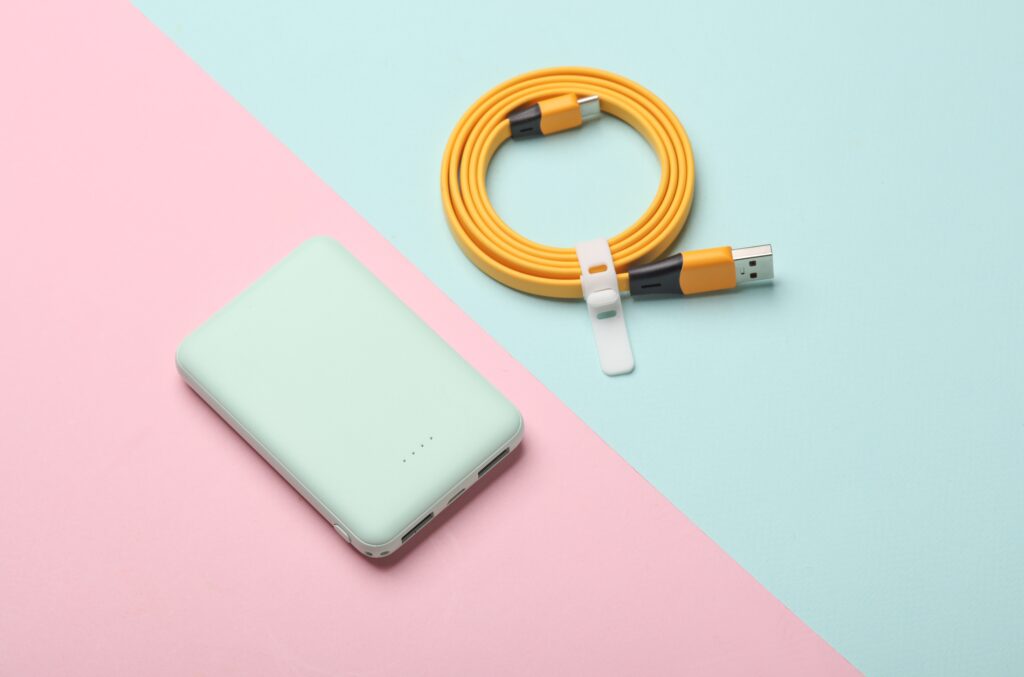
Once viewed simply as practical tools, power accessories like charging cables and power banks have emerged as fashion-forward accessories. This category is characterized by high-frequency purchases and strong impulse buying behavior, driven by the constant need to stay connected and the desire for personalization.
From Utility to Fashion Statement
The market divides into two distinct segments with different consumer behaviors:
Charging Cables: The days of the generic black cable are fading. Consumers now treat charging accessories like phone cases—they want colors that match their devices, outfits, or home decor. Because the price point is relatively low, consumers are willing to buy multiple units to avoid moving them around: one for the car, one for the office, and one for the bedroom. This behavior drives volume sales for “pastel collections,” braided nylon textures, and premium metallic finishes.
Power Banks: Unlike cables, power banks are primarily purchased for on-the-go security during travel, commutes, and outdoor activities. Impulse purchases here are driven by “spec upgrades” rather than location. Consumers are upgrading to slimmer, ultra-portable designs that don’t add bulk, or high-capacity models with fast-charging capabilities. A key trend is the “aesthetic upgrade”—power banks featuring transparent casings, digital displays, or soft-touch materials that signal status and align with premium smartphones.
The USB-C Standardization Wave
A major structural driver for this market is the global shift toward USB-C standardization. The European Commission has mandated that by December 28, 2024, USB-C will become the common charging port for all mobile phones, tablets, and cameras sold in the EU. This regulatory push is triggering a massive replacement cycle, as consumers worldwide update their legacy cables to the new standard. This “forced” upgrade is a unique opportunity for suppliers to capture volume sales.
Market Outlook
Global Market Insights valued the consumer electronics charging cable market at approximately $11.6 billion in 2025, with a projected CAGR of 4.5% through 2034. The power bank segment adds substantial value to this category. According to Fortune Business Insights, the global power bank market reached $15.56 billion in 2025, with a projected CAGR of 6.15% through 2032. This steady growth is supported by the increasing power demands of modern smartphones, the transition to 5G (which drains batteries faster), and the continuous need for replacement and upgraded accessories.
Supplier Opportunity:
For suppliers, the inflection point is clear: rising device usage and evolving charging standards are accelerating the replacement cycle for all types of charging cables, while growing mobile power needs are driving upgrades in power banks. The strongest opportunities lie with brands that offer complete cable collections, including USB‑C–ready options, and next‑generation power banks with verified safety, fast‑charging performance, and on‑trend designs—giving retailers impulse‑friendly assortments that support both everyday replenishment and premium trade‑ups.
The demand for stylish, certified power accessories is growing. Sign up for hktdc.com Sourcing to sell your latest cable collections and power solutions to a global audience.
The Reliable Essential is Your Growth Engine
Across markets, the evidence points in the same direction: everyday essentials form a stable, volume-driven base for revenue, remaining more resilient even as discretionary categories slow down.
The suppliers who will dominate the 2026 cycle are those who recognize that “essential” no longer means “basic.” Today’s core products are expected to be smart, efficient, and visually refined. The most successful brands will be the ones whose products consumers choose to upgrade even before failure—because the new version delivers higher performance, better usability, and a more polished overall experience.
Time to grow your business
Thousands of international buyers visit hktdc.com Sourcing to source these exact product categories. Join today to connect with them and secure your place in the global supply chain.
Essential products, resilience and premiumization
NielsenIQ / NIQ “2026 Consumer Outlook: Value Beyond Price”; KPMG luxury and premium goods outlooks; McKinsey consumer and luxury goods spending resilience analyses; OECD long‑term consumer spending and staples demand projections.
Smart appliances and connected home essentials
Statista Smart Appliances worldwide forecasts; Verified Market Research Smart Appliances Market; Omdia and Ericsson IoT and connected device outlooks; selected syndicated smart home and appliance trend reports.
Personal care, grooming and premium small appliances
Future Market Insights Personal Care Appliances Market; Mordor Intelligence and SkyQuest personal care appliance studies; North America Personal Care Appliances Market (Mordor/Grand View style reports); Technavio and similar syndicated grooming appliance overviews.
Power accessories, charging and essential tech peripherals
Verified Market Reports and related consumer goods / electronics accessory market studies; cable, power bank and charging accessory outlooks from major syndicated providers (Mordor Intelligence, Grand View Research, Research and Markets); IoT device and smartphone shipment baselines from Omdia and similar analyst houses.
Recession‑resilient staples and consumer essentials
Digital Defynd recession‑proof industries overview; CEInterim recession‑proof business models and essential goods positioning; OECD and industry food and consumer staples demand outlooks; global consumer staples and logistics sector reports on resilience of essential goods flows.