Eyewear 2026 Forecast: Smarter Glasses, Eco Materials and Age-Ready Designs
2026 is shaping a clear vision in the eyewear market: fashion-led “better-looking” frames, technology-led “better-seeing” lenses, and a strong push for materials and supply-chain proof behind sustainability claims.
For global eyewear buyers and suppliers, the opportunity is to align product assortments with what consumers will notice at shelf. Below are the optical trends that matter most for 2026–2027.
Smart eyewear is no longer just about “cool prototypes.” The 2026 rollout pattern emphasizes:
enhanced voice interaction
reliable, seamless user experiences
and rapidly expanding device ecosystems (moving away from unpredictable, one-off product announcements)
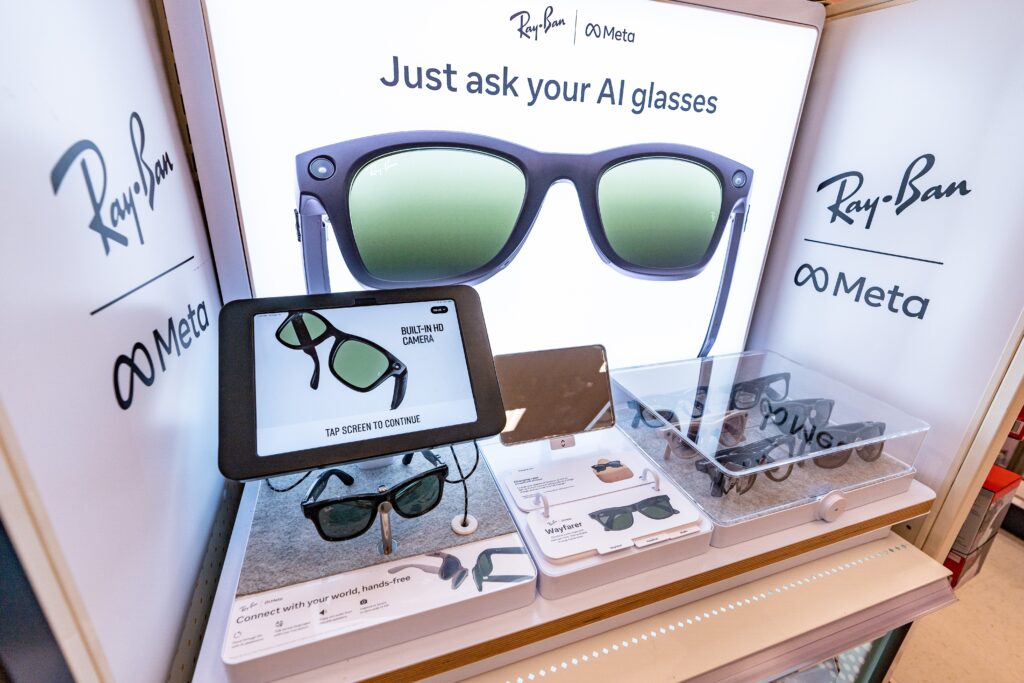
Ranging from Meta‘s AI glasses to various brands with AR functionality, the takeaway for buyers is that one should decide early whether your channel will sell “AI companion” glasses, “AR display” glasses, or both — these have very different merchandising, training, and return-management needs.
AI glasses are becoming more prominent in the eyewear market.
2. Sustainable / Green Eyewear: From Claims to Certification-Ready Proof
Sustainability in eyewear is moving from “marketing language” to auditable criteria. In 2026, trade-fair sustainability programs and corporate disclosures increasingly demand specifics: recycled % by component, responsible sourcing, and end-of-life logic.
At MIDO 2026, MIDO highlighted an eco-material direction using bio-acetate with quantified inputs —described as 70% bio-based content and 27% recycled materials, derived from FSC-certified wood pulp and natural cotton.
In terms of lens-sidesustainability, ZEISS describes sustainability actions in lens production, including recyclable lens-wipe sachets aimed at reducing landfill-bound packaging waste.
Published governance and evaluation requirements include:
recycled material use in components (frames and lenses)
supporting documentation expectations (e.g., GRS certification / ISO 14021 self-declarations)
and broader sustainability commitments in supply chain and impacts.
3. Eyewear for Specific Age Groups: Seniors, Kids & More
Age-specific trends are less about color palettes and more about risk reduction + comfort + usability.
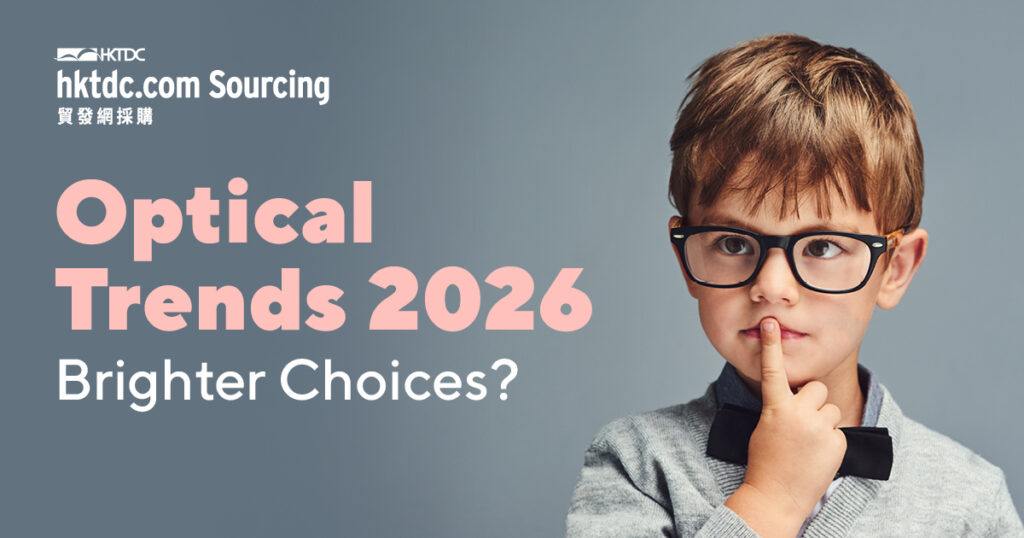
The Kids’ Market
World Health Organization (WHO) emphasizes that UV exposure is cumulative and that children need proper sunglasses/UV protection practices. In addition, secure fit/comfort features (spring hinges, lightweight frames, adjustable nose pads where applicable) are recommended.
The Senior Market
As for seniors, top buying drivers in 2026–2027 are typically:
easier cleaning and anti-soiling performance (especially for coatings)
durable frame materials (tolerance for daily wear)
lightweight comfort for long reading/display sessions
Comfort and durability are the keywords for age-specific eyewear.
The 2026 Optical “Sweet Spot”
For global eyewear traders, the highest-value strategy is not choosing between fashion, technology, and sustainability — it’s bundling them intelligently:
Color & materials that communicate use-cases and comfort immediately.
Smart eyewear as a segment you can train for and support operationally.
Sustainability backed by certification-ready documentation.
Age-specific offerings designed around protection (kids) and long-wear clarity/cleaning ease (seniors).
Global buyers can source and evaluate all of these evolving product categories firsthand at the upcomingHong Kong International Optical Fair happening 4-6 November 2026. Come in-person to visit the extensive showcase of top-quality eyewear and optical products from around the world!
Click the banner below to discover a world of trendy and practical eyewear:
Ahead of the Optical Fair, check out quality optical products from our e-Marketplace too:
Optical Trends FAQ
1. What lens/material features should buyers prioritize in 2026?
Prioritize lens coating usability (cleaning/anti-soiling), durability/warranty clarity, and clear technical specs you can compare across vendors. Lens technology is increasingly tied to daily wear convenience, not only optical performance.
2. What should kids’ eyewear focus on?
Kids’ eyewear should emphasize UV protection (UVA/UVB) and appropriate safety/impact expectations, plus comfort and fit features that help kids actually wear them consistently outdoors.
3. What matters most for seniors when choosing lenses and frames?
For seniors, the biggest priorities are typically ease of cleaning, coating longevity, lightweight comfort, and optical clarity with reduced glare — plus durable frames for daily wear.