



As global sourcing enters a new era, 2026 finds “next-gen” materials no longer an optional differentiator but a core driver of value across apparel, fashion accessories, and home products. Shaped by consumer priorities, sustainability mandates, and rapid textile innovation, this shift means buyers who understand, source, and communicate the advantages of next-generation fabrics can build resilience and increase brand appeal far beyond 2026.
Setting the Scene: A Market in Transition
The worldwide sustainable fabrics market is forecast to reach $41.28 billion in 2026, up from $37.26 billion in 2025, and is projected to top $115.7 billion by 2035—an industry expanding at a 12% CAGR. Apparel and home textiles are leading segments for these innovative materials, fueled by both end-consumer demand and regulatory pressure for cleaner production and supply chain transparency. Importantly, Asia Pacific accounts for nearly 37% of global market share, as sourcing strategies and policy frameworks coalesce to make sustainable textiles the new status quo in manufacturing.
Sourcing leaders are watching as more than 60% of consumers globally now report prioritizing sustainable or functionally advanced materials in purchase decisions—making material choice a core aspect of brand and margin strategy through 2026 and beyond.
Why Next-Gen Materials Matter in Sourcing—2026 and Beyond
Material innovation is shaping not just what brands sell, but how buyers source and differentiate their portfolios. More than half of all global textile production is expected to meet sustainable standards by 2026. Key drivers include younger, health-conscious consumers, fast-evolving sustainability regulations, and the need for value-added features such as UV protection, odor resistance, and durability.
Adoption of next-gen materials gives buyers a genuine edge in capturing both new consumer segments and bulk orders from retailers prioritizing compliance and risk mitigation. From plant-based fibers and advanced recycling to functional textiles and antimicrobial treatment, sourcing teams can now access verified solutions at both entry and premium levels.
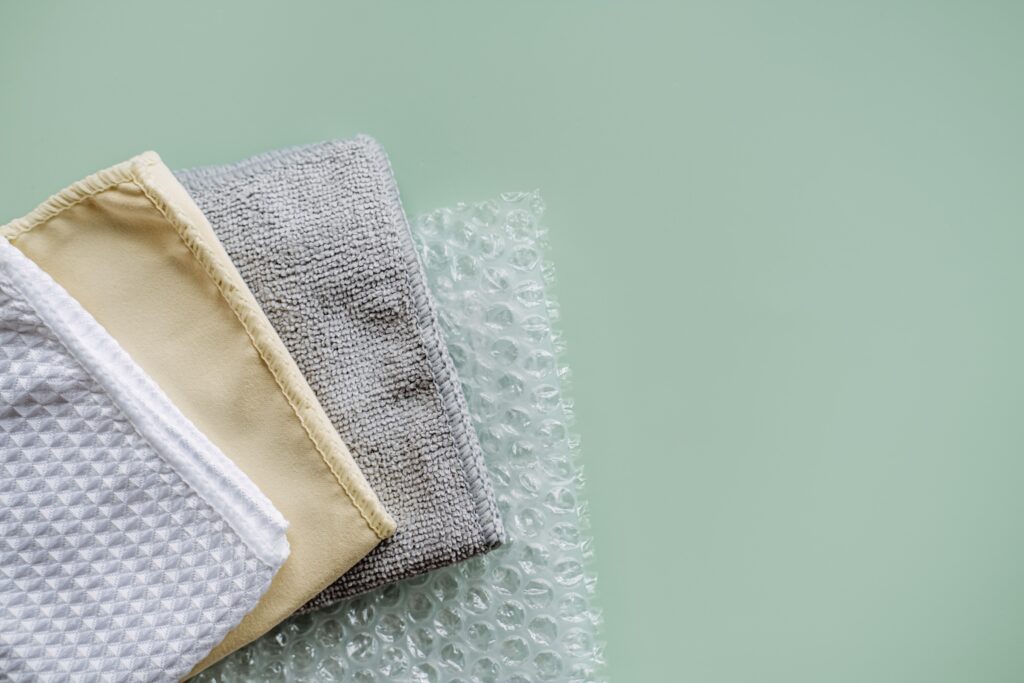
Apparel: Everyday Innovation and the Rise of Performance
The shift toward next-gen materials is transforming the apparel sector at all levels, reaching from luxury brands to private label basics and fast fashion. In 2026, buyers will find that not only are consumer expectations for sustainability rising, but also that business customers—department store chains, e-commerce giants, and even boutique buyers—are demanding more transparency and material innovation in their purchasing decisions.
Bio-Based Fabrics
Trend and demand for bio-based fabrics now span a broader range of products than ever before. Recent studies show fabrics derived from plant cellulose (like Tencel and innovative viscose blends), algae, and mushroom mycelium offer comparable softness and wear to traditional fibers, while significantly lowering water and chemical use in processing. According to Textile Exchange’s preferred fibers report (2025), the share of bio-based fibers in the global apparel market increased from 7% in 2020 to 13% in 2024, with projections pointing to double-digit growth by 2027.
Brands using these fibers in shirts, outerwear, and loungewear are not just winning sustainability points—they are also adapting to consumer demand for “feel-good” comfort and skin-friendly properties. Notably, bacterial cellulose materials and vegan leathers have moved from niche “futuristic” options to commercial reality, offering both design flexibility and clear eco-claims for brand marketing.
Recycled Fibers
The global use of recycled fibers is broadening rapidly. After introducing Recycled Polyethylene Terephthalate (RPET), a polyester fiber made from recycled plastic packaging, the conversation has shifted to encompass post-consumer cotton, wool, and even blended fiber waste streams. According to Precedence Research, apparel using RPET alone is expected to cross $10 billion in global sales for 2026, fueled by multinational retailers integrating recycled content in everything from T-shirts to high-stretch jeans.
Recent industry surveys from leading B2B sourcing platforms and trade media indicate that 4 out of 5 garment factories in China, Vietnam, and India now offer some form of recycled yarn input as standard. This mainstreaming has driven down both cost and minimum order requirements, making recycled content accessible for both global buyers and smaller-scale importers.
Performance Textiles
Performance apparel—whether for leisure or sports—is a vibrant showcase for next-gen materials. Smart textiles with built-in wicking, anti-odor, and cooling technologies are growing at a global CAGR of 16.3%, and over 25% of all new casual apparel launches in the Asia-Pacific region now feature at least one “performance” claim in product descriptions.
Europe and North America are leading for strict adoption of UV-protective and anti-bacterial apparel, with government guidance and retailer standards driving the transition. In Southeast Asia, similar features are increasingly marketed for both sun and pollution protection—appealing to health-conscious, urbanizing consumers.
Buyers are advised to request documented lab testing for claims such as UV-resistance (UPF ratings), as well as to verify the ongoing, wash-resistant effectiveness of anti-microbial finishes—since both features are becoming critical differentiators when working with major retail partners.
Find new apparel styles and materials that match your next trend

Fashion Accessories: Sustainable, Stylish, and Always Relevant
Fashion accessories are a showcase for material innovation—especially as consumer desire for both individuality and eco-responsibility drives up demand for products made from next-gen inputs. The global market for sustainable bags and accessories is expected to reach $23.7 billion by 2027, up from $14.2 billion in 2022, with eco-friendly materials accounting for nearly 20% of all new product launches.
RPET and Alternative Synthetics
Since recycled plastics now appear in fabric, webbing, zippers, and linings, buyers can commission entire runs—bags, caps, wallets, travel organizers—constructed from recycled content. RFID-blocking materials, which often leverage recycled fibers, are another fast-rising area in wallets and travel fashion accessories.
Notably, European and Japanese buyers are leading early adoption of innovative plant-based “vegan leather” and upcycled waste (including fish leather from food industry offcuts), with demand predicted to double from 2025 to 2028.
Natural and Bio-Based Inputs
Bamboo-derived viscose, cork, and coconut husk materials are being used for everything from button detailing to woven jewelry and sunglasses. These materials combine a strong story (renewable, lower carbon) with competitive manufacturing costs, appealing to both volume-focused and niche buyer segments.
Biodegradable & Antimicrobial Trends
Hair accessories, cosmetic bags, and casual jewelry now frequently cite environmental and health-conscious attributes, with biodegradable plastics for hair clips and antimicrobial silver or chitosan coatings on headbands, hats, and sleep masks. These categories are expanding beyond “greenwashing” as more suppliers are able to document input materials and performance.
Accessories buyers are increasingly prioritizing flexible MOQ structures, collaborative design for custom colors or patterns, and full product traceability—key factors for winning larger and repeat orders.
Explore fresh accessory designs for conscious and creative style

Home & Lifestyle Textiles: The Comfort and Care Revolution
Home and lifestyle textiles are rapidly converging with next-gen material innovations previously seen only in apparel. As global home textile sales top $140 billion by 2026, an estimated 22% of the market is now made up of products containing recycled or bio-based input.
RPET & Recycled Content
Major international bedding and home goods brands are increasing the proportion of RPET and post-consumer recycled cotton in pillows, blankets, and even curtains, citing improved material strength, colorfastness, and environmental story. Several prominent US and European retailers have introduced entire homeware ranges with “100% recycled” claims, supported by third-party certification.
Plant-Based and Naturally Functional
Bedding and towels made with bamboo-derived rayon, Tencel, or other modal fibers are touted for hypoallergenic, moisture-regulating, and gentle-touch properties. Innovations in antimicrobial and self-cleaning finishes are also on the rise, frequently marketed as “odor-free” or “healthier living” essentials. A recent Heimtextil survey showed 64% of buyers listed “sustainability and functional comfort” as core sourcing criteria, up from only 35% three years prior.
Compliance and Consumer Communication
With eco-labels such as the Global Organic Textile Standard (GOTS), OEKO-TEX Standard 100 (which certifies textiles are tested for harmful substances), and Sustainable Textile & Leather Production (STeP by OEKO-TEX, focusing on sustainable manufacturing) becoming prerequisites for international buyers, suppliers are racing to update documentation and transparency. Product teams are urged to use both physical tags and digital backup—such as QR codes and traceability reporting—when positioning home and lifestyle textiles in global export markets.
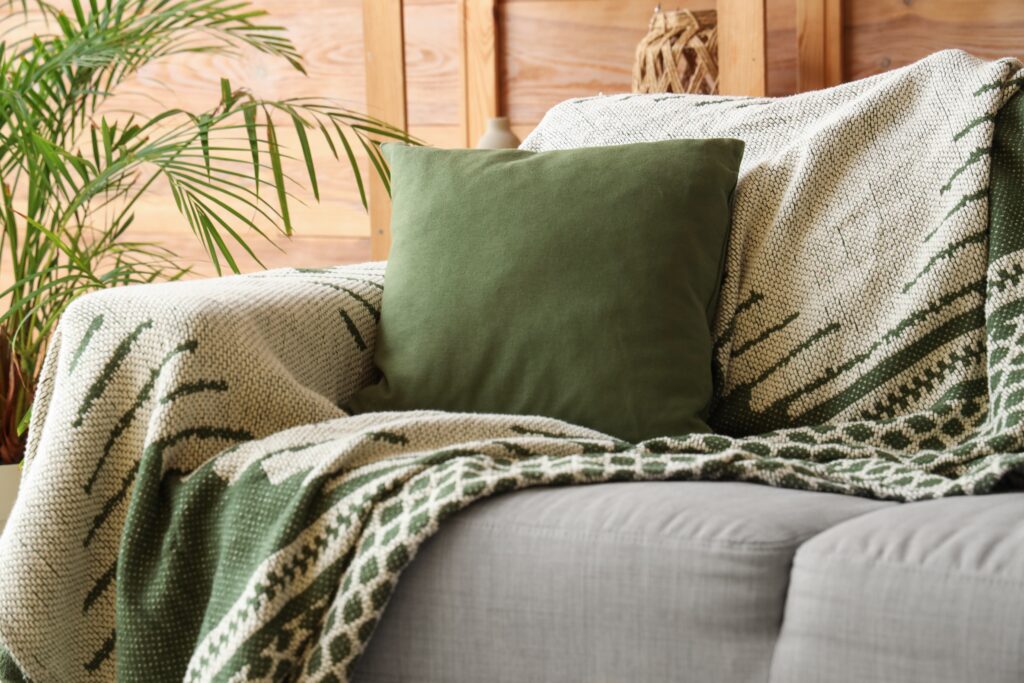
Practical Strategies for Buyers: Turning Materials Into Opportunity
To leverage the potential of next-gen materials in sourcing—and turn innovation into real assortment impact—buyers can take the following steps:
- Start with Validation
Work with suppliers who can provide reliable documentation (third-party certifications or eco-labels), and plan for in-house material tests or third-party verifications before large-scale commitments. - Collaboration and Flexibility
Early, clear dialogue with manufacturers regarding exact performance needs (e.g., quick-dry, soft-touch, colorfastness), aesthetic requirements, and sustainability targets ensures a better match between market needs and factory capabilities. - Balance ROI and Risk
Weigh cost premiums for new materials against benefits such as regulatory compliance, reduced reputational risk, marketing power, and potential premium pricing. Focus on pilot runs with trending but not yet mass-market materials to gauge consumer response. - Educate Down the Chain
Ensure marketing and product teams understand both the material’s unique advantages and its role in product positioning. Use transparent data and storytelling to connect functional or sustainable attributes to what matters for your buyers and end users.
Material-Driven Marketing: Succeeding in the Buyer’s Arena
By 2026 and beyond, the best sourcing teams will differentiate not only by product price, but by storytelling, compliance, and long-term brand alignment—all underpinned by the right material choices. Sourcing next-generation textiles is not merely about responding to trends; it’s an investment in product quality, market trust, and supply chain agility.
With growing access to certified, innovative fibers and fabrics, buyers have unprecedented power to curate collections that meet evolving regulatory needs, satisfy conscious consumers, and unlock new sales and brand loyalty. The key for 2026: partner smart, validate rigorously, and let materials innovation become your strongest source of value and credibility.
To seize new opportunities and secure a competitive edge in the coming year, take action now—explore hktdc.com Sourcing, connect with trusted suppliers to discuss your product strategy, and prepare for a successful 2026.
Bonus for Suppliers
Global buyers are actively sourcing bio-based fabrics, recycled fibers, performance textiles, sustainable accessories, and innovative home textiles from suppliers. Join hktdc.com Sourcing now to showcase your next-generation materials and products and connect with global buyers.
Sustainable Materials and Textile Market Data
Statista, Precedence Research, Textile Exchange, Euromonitor International, FutureDataStats, Towards Chemical and Materials, MarkNtel Advisors
Apparel and Performance Innovation
Textile Exchange Preferred Fiber & Materials Market Report, Precedence Research (RPET Market), BCC Research (Antimicrobial Fabrics), Heimtextil Trend Reports, Regentec, Statista (Global Apparel Market), LinkedIn Pulse
Fashion Accessories and Circular Materials
FutureDataStats (Eco-Friendly Fashion Accessories), Euromonitor International, Fibre2Fashion, Apparel Resources, Vogue Business, FashionUnited
Home & Lifestyle Textiles Trends
Heimtextil, LinkedIn Pulse (Home Decor Trends), Statista (Global Home Textiles), OEKO-TEX, GOTS Certification Database
Supplier Practices, Compliance, and Buyer Insights
OEKO-TEX, GOTS (Global Organic Textile Standard), STeP by OEKO-TEX, McKinsey & Company, Apparel Insider, Sourcing Journal, Marketplace Procurement Surveys (Business of Fashion, Fibre2Fashion)
Regional and Regulatory Analysis
Asia Pacific Textile Market Review, Sustainable Apparel Coalition, ASEAN Textile Council, European Apparel and Textile Confederation (EURATEX), US International Trade Commission
Related posts:
 Gen Z’s Consumer Influence: What Worldwide Buyers Should Be Sourcing Next
 Levelling Up-Shift Of Apparel Supply Chain, Production Move Towards Emerging Countries as China Focus on The Upstream
 Global Market Watch: Key Asia-Pacific B2B Trade Trends for 2026
 Microtrends with Macro Impact: The Rise of Niche Products