

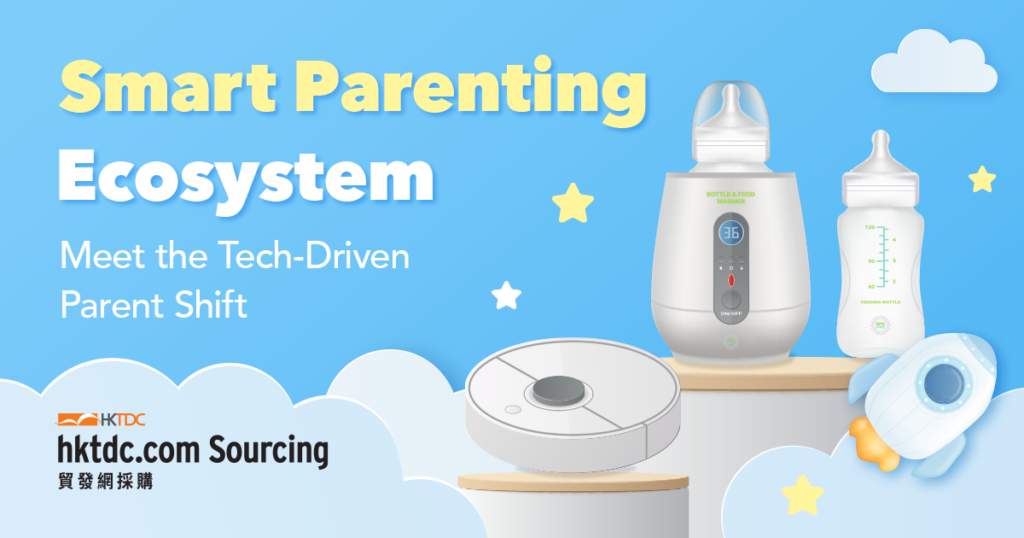
Parents today are juggling more than ever: demanding jobs, complex schedules and rising expectations about what “good” caregiving looks like. Millennial and Gen Z parents, in particular, came of age alongside smartphones, smart homes and on‑demand services, so they now expect technology to help them achieve the best outcomes for their babies—ensuring strong safety standards, deepening family bonds and maintaining high-quality care. This mindset is driving strong interest in smart baby appliances, connected monitoring devices and time-saving home appliances that support safer, calmer and more manageable daily routines.
The evolving baby and home tech landscape
Several interlocking trends underpin this efficiency‑driven parenting economy. Across monitoring, feeding, hygiene and whole‑home cleaning, parents are choosing connected, automated and multi‑function devices because they deliver superior outcomes—more reliable sterilization, clearer safety insights, and more consistent care—rather than settling for less effective alternatives. This demand is propelling the overall global baby products market, which is projected to grow from roughly $320 billion in 2023 to more than $475 billion by 2030, at a steady 5.9% CAGR. Within this expansion, the baby safety products segment—covering monitors and safety aids—is forecast to reach over $26 billion by 2030, underscoring how central safety is to parental spending.
This shift is creating distinct sourcing hotspots across key categories, starting with the most frequent daily task of all.
Feeding systems that support better care
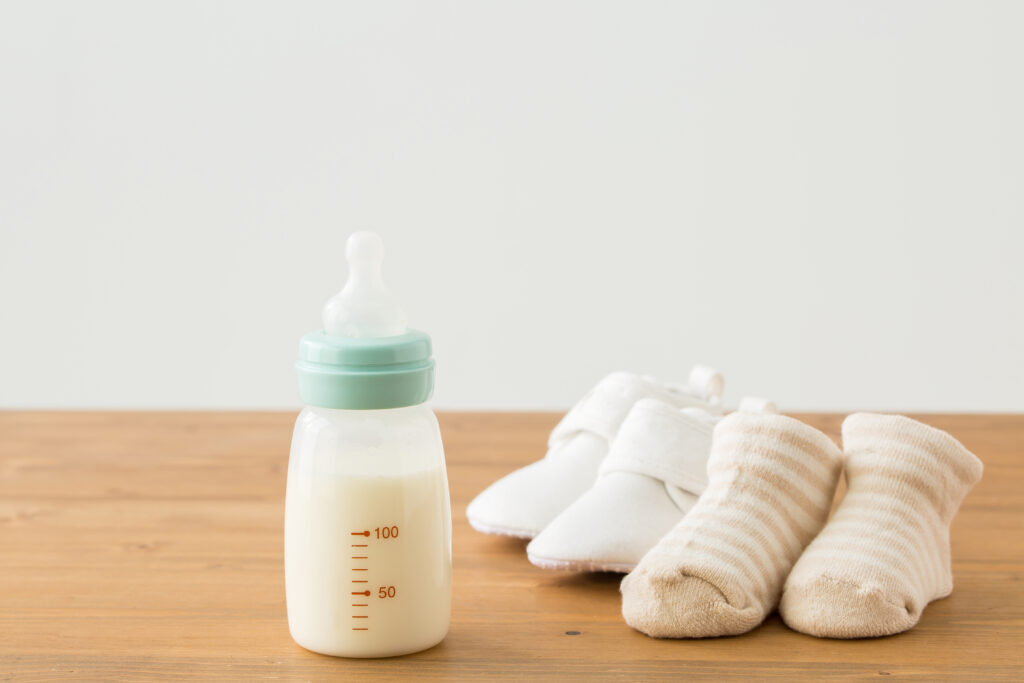
Feeding is one of the most important—and most frequent—tasks in early childhood. Parents want bottles warmed to the correct temperature, formulas mixed accurately and breast milk warmed carefully to avoid overheating, while still managing night feeds, work schedules and probably other children. This combination of high standards and limited time is driving demand for more advanced baby feeding devices. Global baby bottle and feeding bottle markets are projected to grow from about $3.3 billion in the early 2020s to roughly $5.4 billion by 2030, at around 5.7% CAGR, underscoring sustained demand for convenient, bottle-based feeding solutions.
Automatic milk makers and precision warmers
New-generation feeding systems are designed to help caregivers follow best practices more easily rather than cutting corners. Automatic milk and formula makers can measure water and powder accurately, mix them evenly and heat bottles to precise temperatures, reducing the risk of under- or overheating. Many models provide presets for different feeding scenarios—such as preparing formula at a stable temperature that stays comfortable for the baby. Baby bottle warmers with digital controls, countdown timers and clear temperature displays ensure consistent, reliable preparation every time.
Portable feeding solutions for life on the move
Portability also supports responsible feeding in more situations. Compact warmers that run on USB‑C power or have built‑in rechargeable batteries allow families to maintain feeding routines when traveling, visiting relatives or spending time outdoors. Parents can rely on devices specifically designed for baby bottles, with safety features and temperature safeguards that ensure reliable preparation in any setting. This helps caregivers maintain consistent feeding standards across different locations, caregivers and times of day.
Sourcing takeaways for feeding tech
For buyers, the opportunity lies in presenting advanced feeding systems as tools that support high-quality nutrition and care while saving time. When sourcing, it is important to verify compliance with food-grade material standards, temperature control requirements and, where relevant, battery safety certifications. Assortments that combine automatic formula makers, precise warmers and compatible accessories enable buyers to present a comprehensive solution to parents who value both reliability and efficiency in their feeding routines.”
One-cycle sterilizing and drying for everyday hygiene
Hygiene is a non-negotiable priority for parents in childcare. Bottles, pacifiers, pump parts‑ and teething toys must be cleaned and sterilized repeatedly, especially in the early months. The global baby bottle sterilizer and dryer market is estimated at $1.2 billion in 2024 and is projected to reach $2.5 billion by 2033, growing at a robust 9.1% CAGR, as parents replace manual methods with automated solutions that offer consistent hygiene. These figures show that families are willing to invest in appliances that reduce repetitive work and simplify essential caregiving routines, without lowering their standards for safety and cleanliness.
Multi-function sterilizers
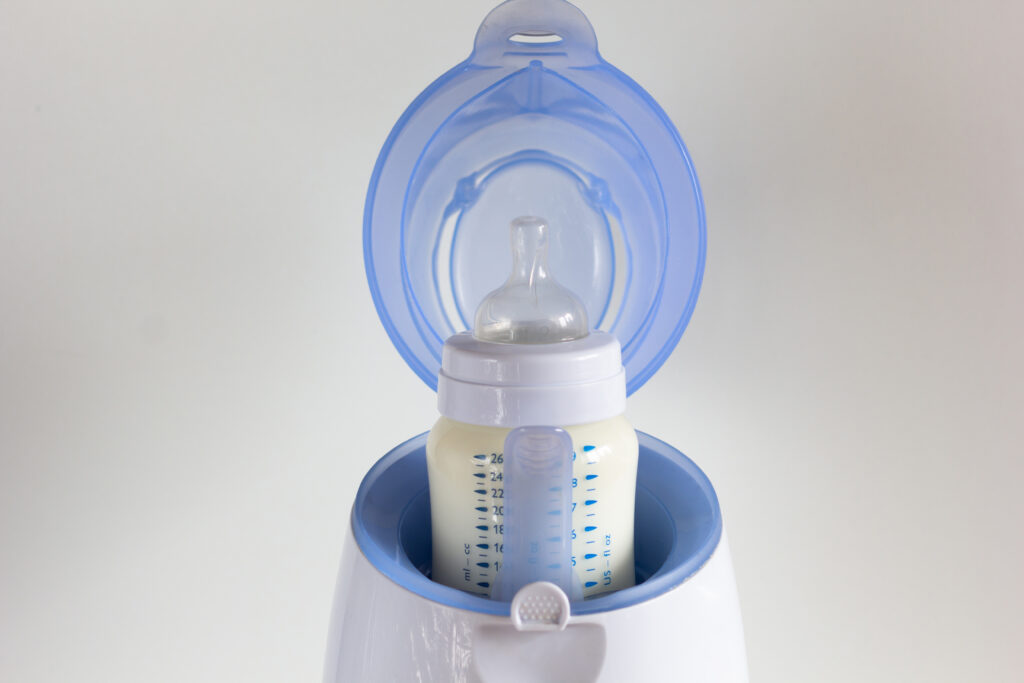
Sterilizers that combine sterilizing and drying in one unit are especially aligned with modern expectations. Countertop devices with racks, heated air circulation and programmable cycles allow parents to load a day’s worth of bottles and accessories, start a cycle, and return later to items that are ready for use or storage. This not only saves time but also reduces opportunities for recontamination during manual drying. Because the workflow is streamlined and reliable, parents can maintain consistently high hygiene standards without excessive complexity.
Portable UV devices
Portable UV devices are widening these benefits to more use cases. UV-based bottle sterilizers and compact boxes for pacifiers or small toys use UV-C or UV-LED light to inactivate bacteria and viruses in short cycles that can be run almost anywhere. For families on the move, this is an efficient way to keep frequently dropped or handled items clean between full washes.
Sourcing takeaways for sterilizing tech
When sourcing, buyers should examine sterilizers through the lens of both safety and practicality. It is important to look for clear, test-backed claims about sterilization efficacy—such as a 99.9% reduction in specified microorganisms under defined conditions—along with intuitive controls and straightforward cleaning instructions. Products that can handle different item sizes and materials, and that integrate drying, often offer stronger long-term value for parents who want fewer devices on their countertops.
Explore UV sterilizers, steam sterilizers and many others that simplify everyday baby hygiene.
Enhanced monitoring for greater peace of mind
Watching over a sleeping baby matters to parents in early parenthood, as parents want to know their child is safe, breathing comfortably and sleeping well. Baby monitor technology is evolving to support this, providing clearer information and more responsive alerts so caregivers can stay informed and confident. Global forecasts suggest that baby monitor revenues will grow from about $2.0 billion in the mid-2020s to around $2.6–2.7 billion by 2030, with approximately 5.8–7.2% CAGR, as smart devices replace basic audio-only models.
Modern smart baby monitors
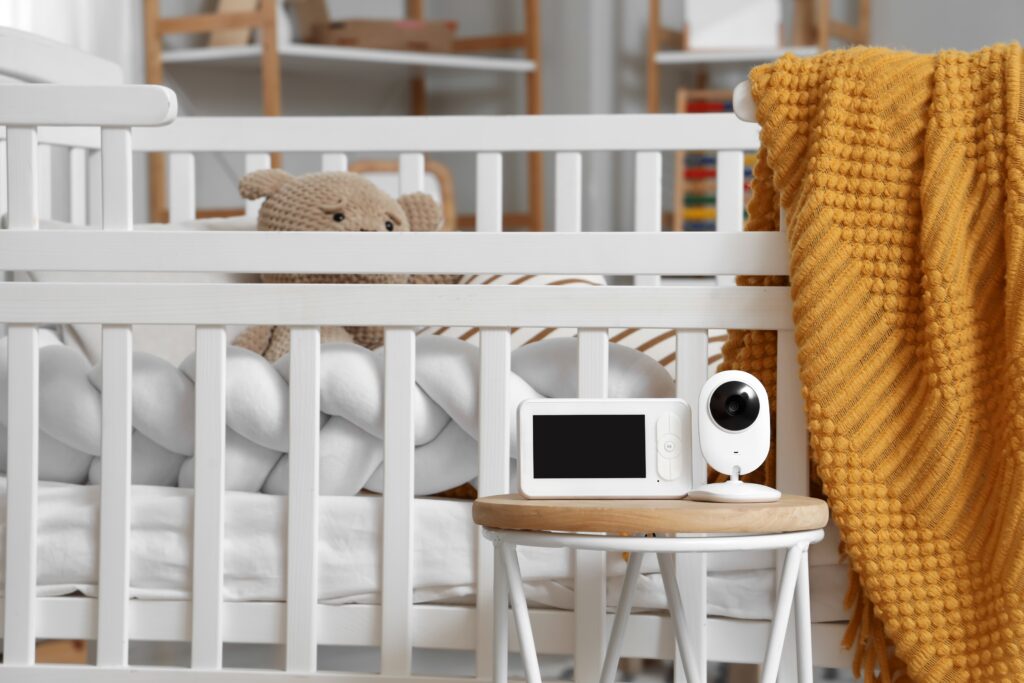
These devices blend video, audio and sensor data into a single experience. High-definition cameras with night vision allow caregivers to check in visually without entering the room. Many devices track room temperature and humidity, alerting parents if the environment moves outside recommended ranges. Motion and sound detection can trigger notifications on smartphones, enabling caregivers to focus on other tasks while staying informed of any changes. Some advanced models also summarize sleep patterns over time, helping parents and healthcare professionals better understand the baby’s routines and needs.
Wearable devices
Wearables add another layer of reassurance for some families. Sensors attached to clothing, socks or straps can estimate breathing rate, movement or other indicators, sending alerts if readings move outside preset thresholds. While these products require clear communication about what they can and cannot detect, they reflect a broader preference for tools that support attentive, responsive care and give caregivers more timely information to guide their decisions.
Sourcing takeaways for monitoring tech
In sourcing decisions, buyers should pay close attention to ease of installation, app stability, privacy protections and the clarity of alerts. Devices that are simple to set up, maintain a stable, secure connection and present information in a straightforward way are more likely to earn parents’ trust. Integrations with broader home ecosystems—such as displaying feeds on smart displays or integrating notifications with other systems—can further increase perceived value for busy caregivers.
Discover smart baby monitors and home monitoring devices that help parents stay informed.
Home Hygiene That Supports Family Life
Beyond baby-specific tasks, parents must keep the wider home environment safe and clean. Crumbs, dirt, pet hair and clutter build up quickly in busy households—issues that matter when babies crawl and explore with their hands and mouths. Smart appliances and compact cleaning tools help families maintain cleaner spaces through consistent, low-effort maintenance. The smart appliances segment is expected to grow from roughly $39.4 billion in 2025 to $71.3 billion by 2030, at an estimated 11% CAGR. Meanwhile, the broader small domestic appliances market—which includes steam cleaners and handheld tools—is projected to reach $212.3 billion in 2025, providing a massive foundation of essential maintenance tools.
Robot vacuum cleaners
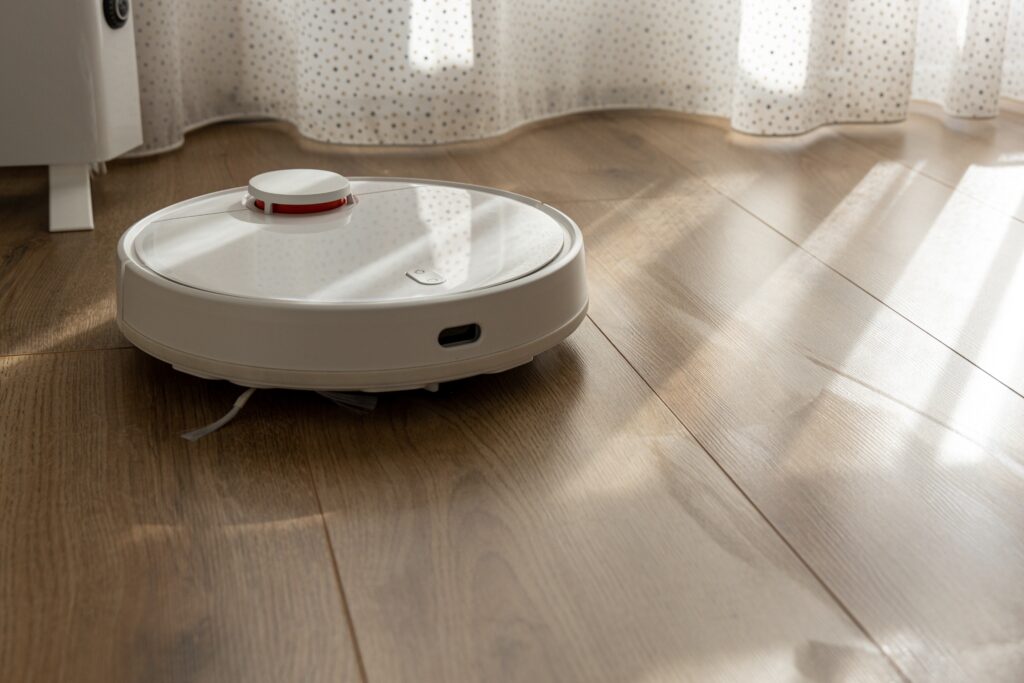
Robot vacuum cleaners can be scheduled to run while parents are at work or children are asleep, keeping floors consistently cleaner with minimal supervision. These devices help parents apply their high standards to everyday cleaning without exhaustion. Cordless stick vacuums enable quick responses to messes and crumbs—essential when babies learn to eat solids or toddlers engage in messy play. Combining scheduled robot cleaning with occasional targeted manual cleaning supports better indoor air quality and reduces allergens, particularly important in homes with respiratory concerns.
Handheld steam cleaners
Handheld steam cleaners are particularly effective for sanitizing high-touch surfaces and soft furnishings where babies and toddlers spend time. Heat-based sanitization eliminates bacteria and dust mites without harsh chemicals, making it safer for young children’s sensitive skin. Steam cleaners work on upholstery, car seats, changing tables and toy surfaces—areas that traditional vacuuming cannot sanitize. For parents prioritizing both cleanliness and chemical-free care, steam cleaning offers a practical way to maintain hygiene standards across the entire household.
Sourcing takeaways for cleaning tech
Buyers looking to capitalize on this trend can curate a mix of smart and non-smart cleaning appliances tuned to family use. Key features include strong suction, effective filtration, quiet operation, long battery life and intuitive controls. For robot vacuums, navigation quality, obstacle detection and easy maintenance are important differentiators. Presenting these products as part of a “family-ready home” proposition—rather than as generic appliances—will help connect them to parents’ desire to provide safe, comfortable spaces for their children.
Tech-Driven Growth and Sourcing Opportunities
The convergence of technology is reshaping how Millennial and Gen Z parents approach caregiving. Families are building integrated ecosystems where automated milk makers, hygiene sterilizers, smart baby monitors and robotic cleaning systems work together seamlessly. This momentum reflects surging demand for solutions that help parents uphold strong hygiene, safety and comfort standards for the baby, representing a prosperous opportunity for buyers who curate products that deliver genuine quality and efficiency.
Sourcing on hktdc.com Sourcing
hktdc.com Sourcing connects buyers with a broad network of trustworthy suppliers offering baby care products, hygiene solutions, smart home devices and cleaning appliances that align with modern parenting needs. Using one platform to research options, compare product features and send enquiries helps buyers move faster from trend insight to concrete sourcing decisions. By prioritizing solutions that combine hygiene, safety and efficiency, buyers can build assortments that resonate strongly with today’s parents and support sustainable growth in 2026 and beyond. Start your sourcing journey today by sending enquiries to qualified suppliers on hktdc.com Sourcing.
Bonus for Suppliers
Global buyers are actively sourcing advanced feeding systems, sterilizers, monitoring devices and smart cleaning appliances from suppliers who deliver both dependable performance and thoughtful design. Join hktdc.com Sourcing now to showcase your efficiency-focused‑ products.
Global baby products market and parenting trends
Fortune Business Insights; Statista; Grand View Research; Precedence Research; selected global baby care market outlooks.
Feeding systems, baby bottles and warmers
Grand View Research; Allied Market Research; Technavio; Expert Market Research; selected infant feeding market reports.
Sterilizers, dryers and hygiene solutions
Global Market Insights; Data Bridge Market Research; Future Market Insights; Technavio; selected baby hygiene appliance overviews.
Baby monitors and safety technology
Mordor Intelligence; KBV Research; Grand View Research; Technavio; selected smart baby monitor market studies.
Smart home, cleaning appliances and robot vacuums
Yahoo Finance (KBV Research); Fortune Business Insights; Statista; TechSci Research; selected smart home and small domestic appliance reports.