

Teen and youth lifestyles are transforming “ordinary” products into powerful tools for self-expression — from bedroom décor and lighting to tech accessories, desk setups, drinkware, and bags. As their cultural influence grows, young consumers are setting the tone for what feels modern and “shareable,” especially in categories that are highly visible in photos, videos, and everyday life.
Youth demand drivers: self‑expression and influence
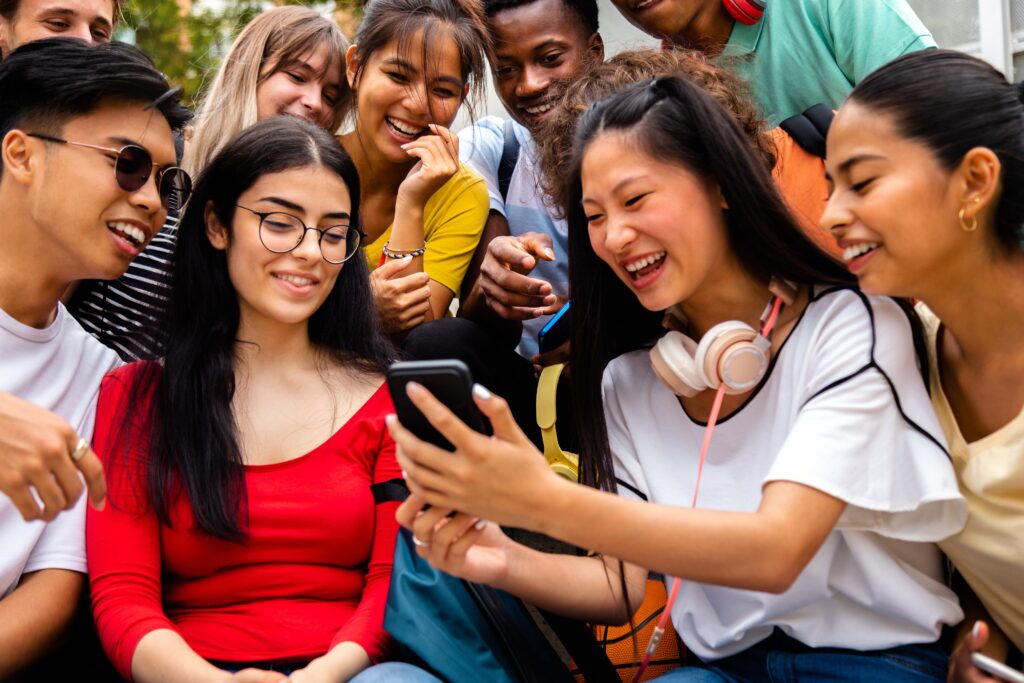
Across roughly the 13–24 age band, young consumers may not control the largest budgets, but they strongly shape purchase decisions for gifts, home items, and everyday accessories, and self‑expression is central to those choices, with actual spending often coming from parents or caregivers for those in their early teens: about 73% say they need more self-expression to live a happy, healthy life, roughly three-quarters are more likely to purchase when they can customize a product, and around 62% are willing to pay more for personalization such as choosing colors, patterns, or messages. These decisions also carry social weight, with large-scale consumer research indicating that friends’ recommendations account for around one-fifth of brand discovery occasions among younger buyers—meaning that once a young consumer chooses a particular light, phone case, or tumbler, it can quickly become a reference point for their wider network and amplify demand for similar, identity-focused designs.
Aesthetic rooms & ambient lighting: youth-driven décor growth
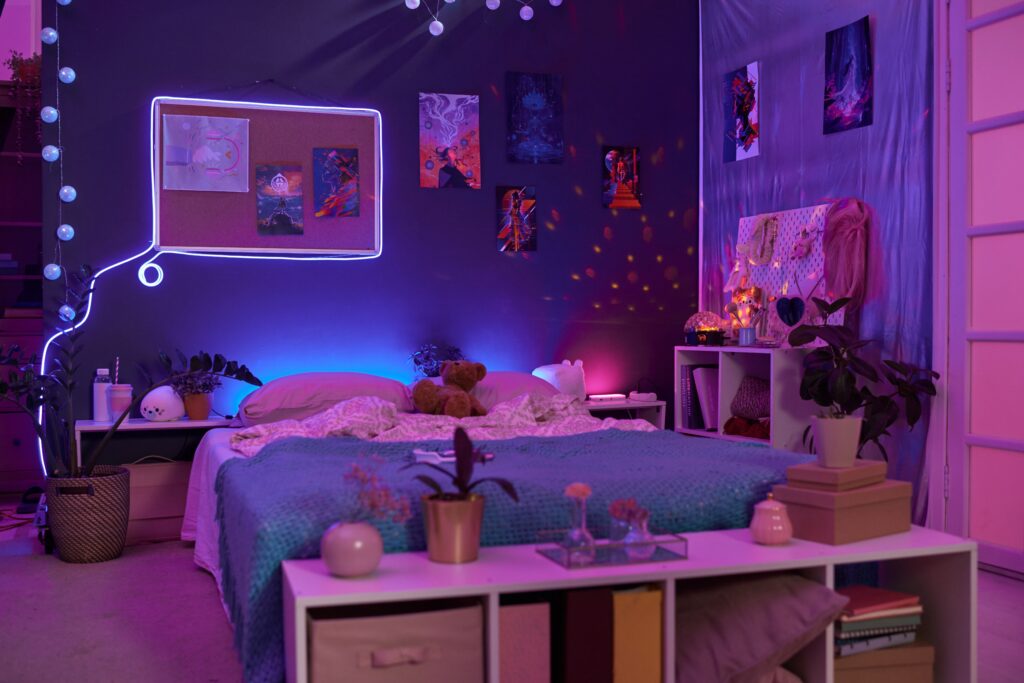
The teen room décor market — which spans bedding, wall art, textiles, furniture, lighting, storage, and smaller accessories — is forecast to grow from about $110.7 billion in 2025 to $155.6 billion by 2035 at a 3.6% CAGR, driven by teens’ demand for personalized, theme‑based spaces. Industry analysis further notes that teens and their parents increasingly buy décor in coordinated “aesthetic bundles” inspired by social media platforms, combining gallery walls, peel‑and‑stick prints or tapestries, faux vines, soft furnishings, and lighting so on‑screen rooms match the styles they follow online.
Within this broader décor space, decorative and ambient lighting stands out as a visible growth driver. Global decorative lighting sales are projected to rise from around $41.7 billion in 2023 to about $59.4 billion by 2033 at a 3.6% CAGR, supported by home‑décor upgrades, smart‑home adoption, and demand for customized, design‑led fixtures that go beyond basic ceiling lights.
In youth rooms, that growth shows up most clearly in “aesthetic room” kits built around light. Social‑media and design coverage highlight LED strip lights, sunset lamps, ambient projectors, color‑changing bulbs, and mushroom or other sculptural mini lamps as signature elements of camera‑ready bedrooms, alongside matching wall décor and small accessories that turn the space into a “Like”‑worthy, shareable backdrop.
For suppliers, this convergence of décor and lighting means youth‑focused room products now compete less as isolated items and more as coordinated “aesthetic bundles,” raising the bar for assortments that can be styled, photographed, and shared as complete looks rather than single items.
Spotlight your youth‑focused room décor and ambient lighting on hktdc.com Sourcing for buyers curating aesthetic spaces for young consumers.
Tech accessories & device skins: phones as fashion and identity
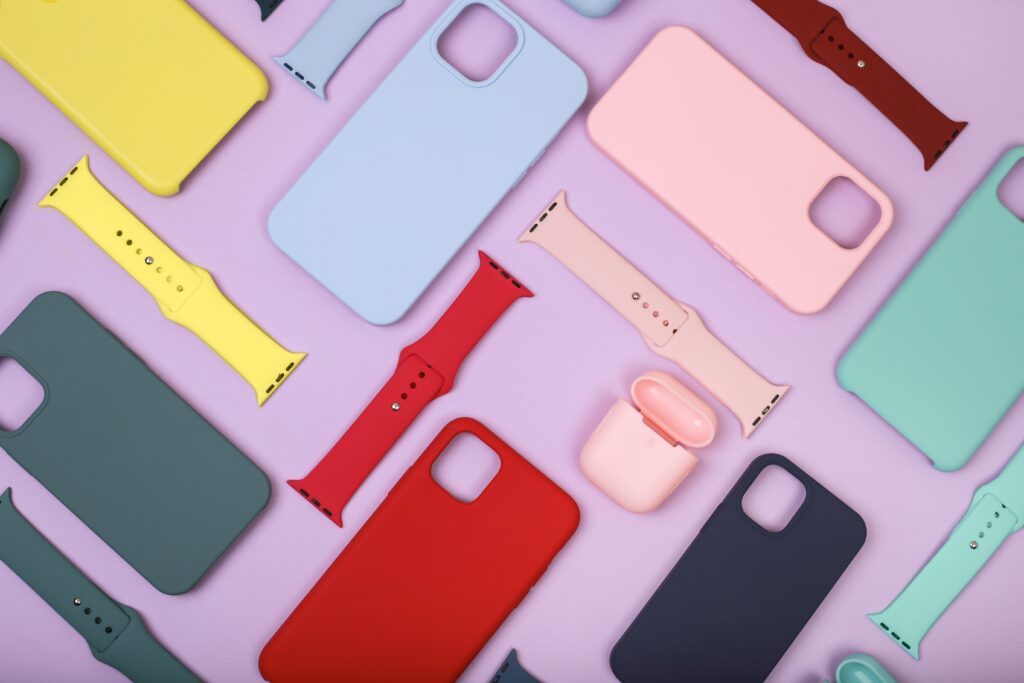
Phones and other devices have become a visible canvas for self‑expression, with mobile accessories — cases, skins, earbud cases, sleeves, and covers—now functioning as style statements as much as protective add‑ons. Grand View Research estimates the global mobile accessories market at about $105.5 billion in 2025 and projects that it will reach around $189.9 billion by 2033, growing at roughly 7.8% CAGR, supported by rising smartphone penetration and ongoing demand for protective and decorative add‑ons.
Within this market, protective cases stand out as a major revenue driver, accounting for roughly 32% of sales and underscoring the importance of visible device protection as a core category. Wireless earbuds and related audio accessories form another high value segment, with some analyses indicating that earbuds can contribute roughly 25%–33% of total mobile accessory revenue depending on segment and price band. These categories create a natural platform for design driven add ons such as decorative cases, sleeves, and coordinated sets.
As users look for ways to change device looks without adding bulk, the phone skins segment alone has been valued at about $3.2 billion in 2023 and is projected to exceed $5.8 billion by 2026, growing at around 8.5% CAGR. Social content around mobile accessories increasingly shows users building styled “sets” by combining cases, skins, straps, charms, and other snap‑on elements on the same device to build cohesive looks, often aligning accessories with colors, moods, or themes that matter to them. As wireless earbuds spread, brands and marketplaces increasingly offer customized earbud cases that match phone cases or broader aesthetic “sets,” extending this personalization logic from the handset to its core companions.
List your custom tech accessories on hktdc.com Sourcing to reach buyers looking for design‑driven cases, skins, and coordinated device add‑ons.
Study, work and play: youth‑ready performance and aesthetics
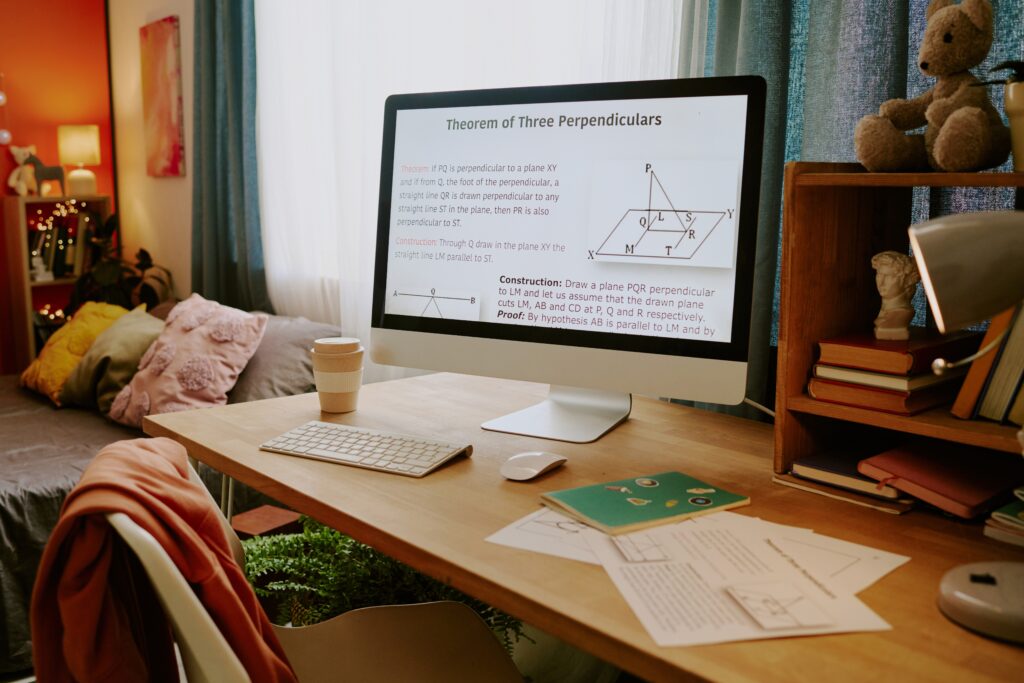
Desk setups are a key touchpoint where young consumers integrate aesthetics with functionality for studying and remote or hybrid work, with gaming layered on as an additional use. Future Market Insights expects the wider computer keyboard market — covering office, education, and home use as well as gaming — to increase from around $6.7 billion in 2025 to about $9.5 billion by 2035 at roughly 3.6% CAGR, reflecting steady demand across study and work contexts. In parallel, Strategic Market Research projects the global gaming mouse and keyboard peripherals market to grow from about $2.4 billion in 2024 to roughly $4.1 billion by 2030 at a 9.5% CAGR, highlighting stronger growth in performance‑oriented input devices that many young users also incorporate into their everyday desk setups.
Ergonomics and space‑saving come first for students and young professionals. Compact keyboard guides highlight rising demand for smaller layouts that free up desk space, support better posture on smaller tables, and create tidy, modern setups suitable for focused study sessions and everyday work tasks. Beyond input devices, furniture is also upgrading to match youth expectations: HTF Market Insights forecasts the RGB‑enabled gaming desk and workstation market to grow from roughly $2.3 billion in 2024 to around $5.7 billion by 2033 at an 11.5% CAGR, reflecting demand for height‑adjustable desks and work surfaces with integrated lighting that can shift from study or work mode into gaming or streaming mode.
As these expectations evolve, many youth‑oriented desks now use coordinated elements to support different roles across the day, with typical combinations including monitor risers and laptop stands that improve posture and visually define “study” or “work” zones, extended desk mats and mousepads that frame the workspace in neutral, gradient, or fandom‑inspired designs, and compact, often wireless keyboards and mice that keep the setup visually cohesive on and off camera while maintaining everyday usability.
Showcase your “study–work–play” desk collections and youth‑ready peripherals on hktdc.com Sourcing to support buyers building complete setups for younger users.
On-the-go identity: drinkware and bags
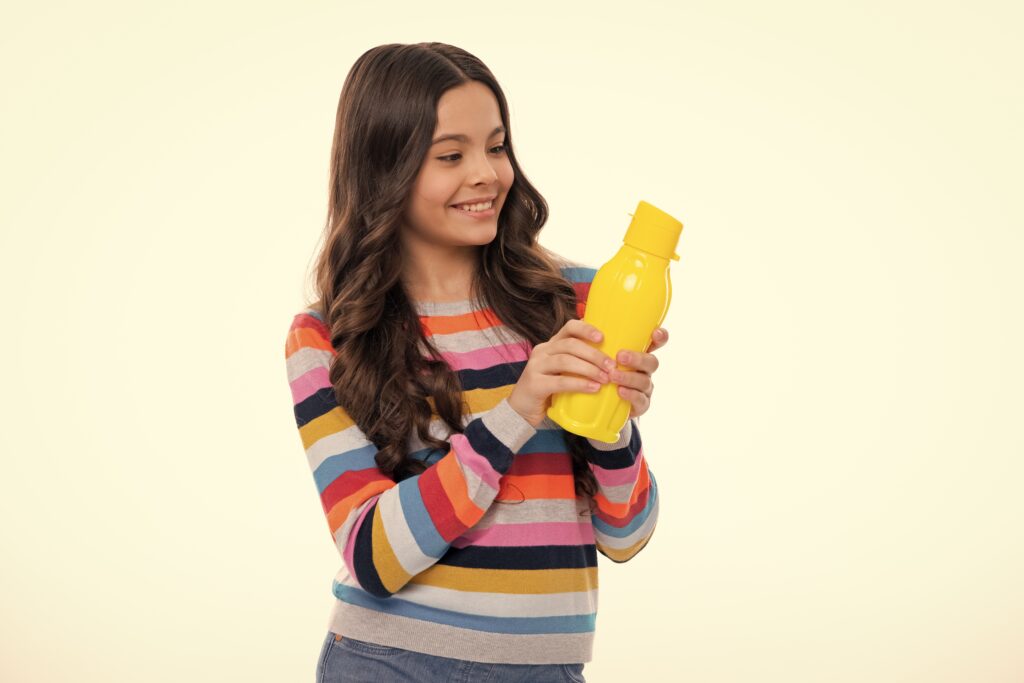
Reusable drinkware has become a visible lifestyle item for young consumers, aligning hydration with both function and identity. Studies of students and young adults show high reusable‑bottle penetration: one university survey found that about 84% of students owned a reusable bottle and around 51% used it daily, with usage linked mainly to convenience, cost savings, and environmental reasons. In parallel, global market analysis values the reusable water bottle market at $10.2 billion in 2025 and projects it will reach about $15.3 billion by 2034 at a 4.6% CAGR, driven by sustainability concerns and the move away from single‑use plastics.
As reusable drinkware becomes part of the daily “carry,” young people increasingly look for bags that not only feel stylish but also work with their bottles in terms of size, weight, and how they are carried. For everyday use, this often means rotating between compact crossbody bags or mini‑bags on days when they only need small essentials, and slightly larger options such as simple totes or small backpacks when they also want to bring a reusable bottle and still maintain the image they want to project.
In bags, young consumers are also paying attention to materials as well as aesthetics. Recent research on younger fashion shoppers indicates that about 66% say they are willing to pay more — on average around 10% extra — for products made with more sustainable or eco‑friendly materials, including accessories, when the design and price still feel reasonable.
Overall, current data points to clear market dynamics for young consumers: bags and drinkware are highly visible daily-use items that signal style, values, and group identity, particularly through social media and peer influence.
Display your reusable drinkware and youth‑ready bags on hktdc.com Sourcing so buyers can build themed sets for young consumers.
From youth aesthetics to repeat demand
Teen and youth lifestyles are turning “ordinary” categories into a connected ecosystem where every surface and carry item can signal identity. Market data shows that demand is being sustained by refresh cycles: young consumers repeatedly update what is visible in their rooms, on their desks, and in their hands even when the underlying hardware does not change.
This consumer behavior has direct implications for how suppliers and brands should market youth‑focused décor, accessories, drinkware, and bags. Brands that build personalization and refreshable design into both product and messaging — using social media, creator content, and peer‑driven word of mouth to showcase how items fit into real youth lifestyles — are better positioned to turn one‑off purchases into repeat demand.
Build visibility where buyers search
hktdc.com Sourcing is designed to connect suppliers with international buyers looking for exactly these youth‑relevant product lines, from décor and tech accessories to drinkware and bags. By listing cohesive, customization‑ready collections on the platform—and keeping designs, color stories, and materials aligned with the refresh behavior outlined above—suppliers can position themselves in front of buyers who need partners able to keep pace with fast, style‑led demand in the youth segment. Join Us Now!
Youth demand drivers and behavior
McKinsey & Company; Deloitte; EY; Ipsos; selected global youth and young adult consumer behavior studies on self-expression, personalization, and peer influence.
Teen room décor and decorative lighting
Future Market Insights; MarkWide Research; Global Banking & Finance; Market.us News; Straits Research; selected teen room décor and decorative lighting market outlooks to 2033–2035.
Mobile accessories, phone cases, earbuds and skins
Grand View Research; Research Nester; IMARC Group; Global Market Insights; selected global mobile phone accessories and device protection/decoration market reports, including skins and wireless audio segments.
Keyboards, gaming peripherals and RGB desks
Future Market Insights; Strategic Market Research; HTF Market Insights; Grand View Research; selected computer keyboard, gaming mouse and keyboard peripherals, and RGB-enabled gaming desk and workstation market studies.
Reusable water bottles, drinkware and youth sustainability preferences
Precedence Research; Fortune Business Insights; academic surveys on student reusable bottle usage; fashion and sustainability research on willingness to pay for eco-friendly materials among younger shoppers.