


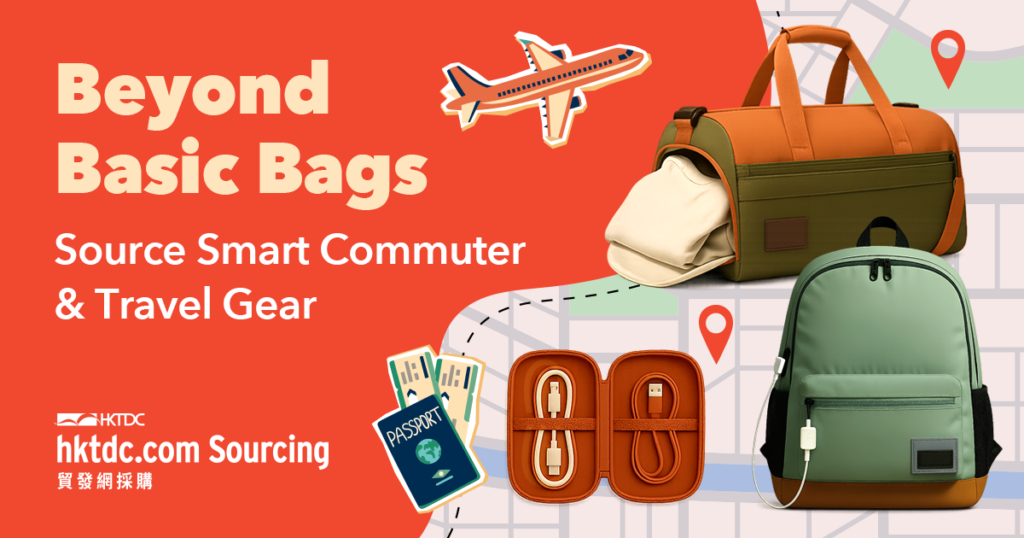
The era of the single-purpose briefcase is over. For the 2026 professional, the workday spans airports, co-working hubs, gym sessions and client meetings, often all within the same long day. This shift has created a new baseline requirement for commuter backpacks and travel bags: they must be as adaptive, resilient and intelligently designed as the people carrying them.
“Smart” gear in 2026 is not just about adding electronics; it is about design that solves real problems. A truly smart backpack or commuter bag integrates features such as USB‑C or Power Delivery (PD) ports for convenient on-the-go charging, ventilation for post-workout gear, and radio-frequency identification (RFID)-blocking pockets that help protect valuables and travel documents. For buyers, sourcing these problem-solving products is key to building assortments that perform all year round, as professionals steadily upgrade from basic bags to tech‑ready, multi‑role designs that support their evolving work and travel routines.

Market Analysis: The Problem-Solving Commuter Economy
Demand for adaptable commuter gear, business backpacks and travel backpacks is being driven by the recovery of business travel and the permanent shift to “bleisure” (business + leisure) travel patterns. Global business travel spending is projected to reach around $1.57 trillion in 2025, with Asia-Pacific among the fastest-growing regions as corporate travel and meetings rebound across major hubs such as Mainland China, Singapore and Japan. This rebound is reshaping the travel accessories market, with buyers looking for products that perform at work, in transit and during personal time.
Across categories, related products are shifting in the same direction. The global travel accessories market is projected to grow from about $55–56 billion in 2024–2025 to roughly $80–82 billion by 2030, at around 6.7–7.1% CAGR, with electronic and tech-related accessories expected to capture a leading share as travelers prioritize power solutions and organizational tools that improve convenience and security. This broad upgrade cycle toward more functional, tech-integrated accessories underpins demand for smarter commuter gear, from connected backpacks to gym-ready carry and in-bag organizers that help people manage devices, clothing and documents more efficiently.
The Smart Tech-Enabled Backpack
Global demand for more functional backpacks is rising alongside hybrid work. The broader backpack market is projected to grow at around 6–9% annually into the early 2030s, supported by increased urban commuting and device-carrying needs. Within this, the smart backpack segment is estimated at about $1.7 billion in 2024 and is forecast to reach around $3.2 billion by 2033, at roughly 7.8% CAGR from 2026 to 2033, as professionals upgrade from basic laptop bags to connected backpacks with integrated power and security features.
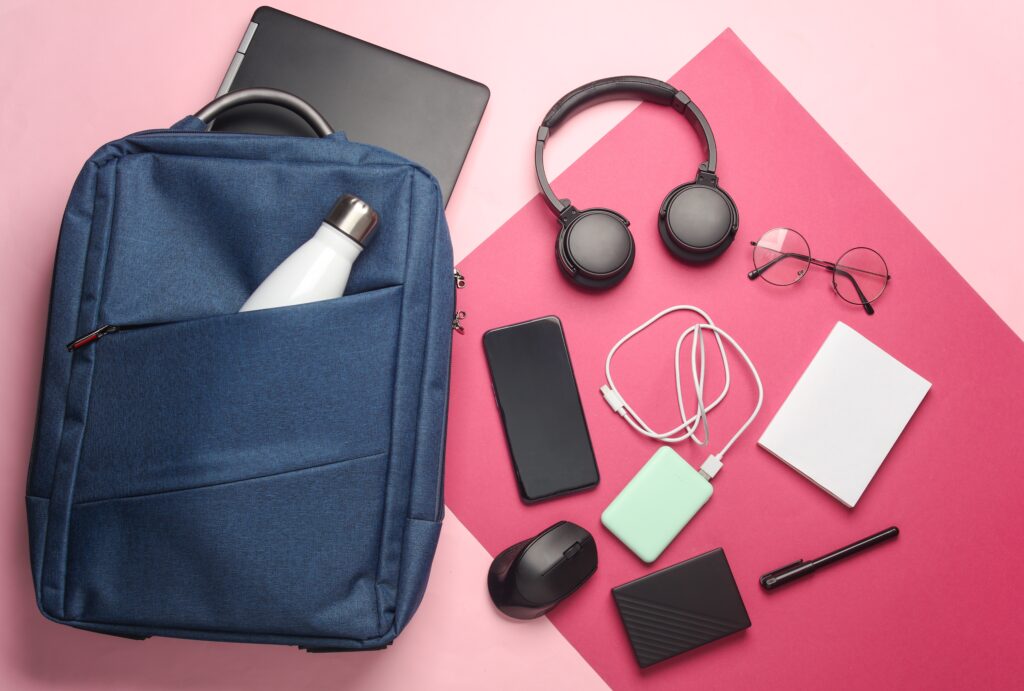
For today’s professional, a backpack is no longer just a container for a laptop—it is a smart backpack and mobile power station. The most successful commuter backpacks for 2026 move beyond simple pockets to offer active intelligence that keeps users connected and protected.
Power and Connectivity
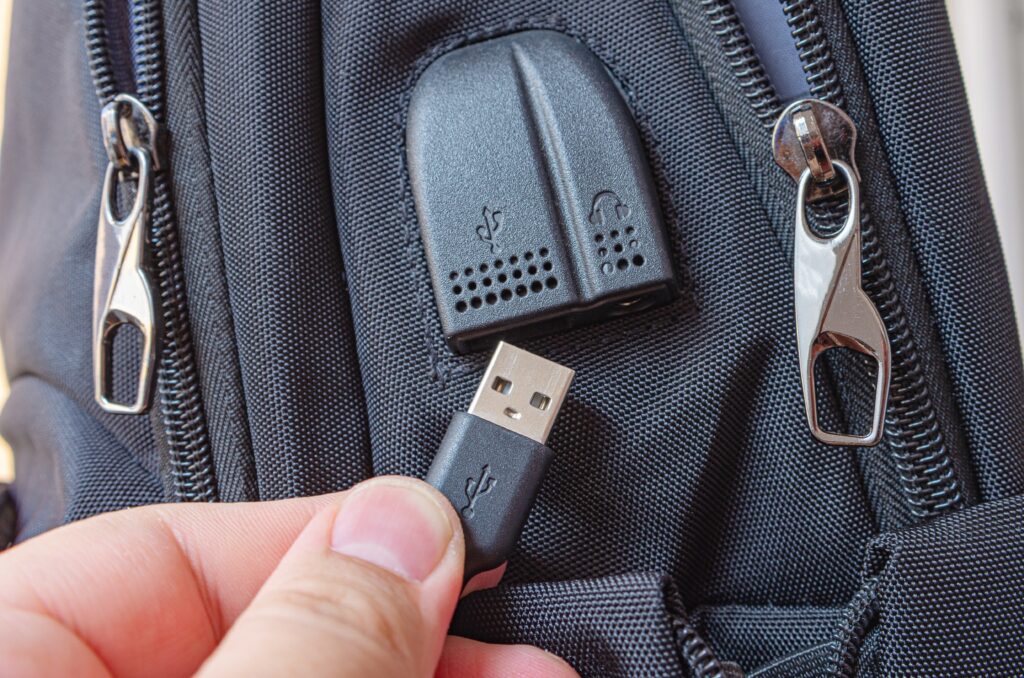
Connectivity is a primary driver of smart backpack demand. Leading products integrate USB-C or PD ports so users can route power from a power bank to laptops, tablets and phones without exposing cables, in line with the shift toward USBC charging standards across consumer electronics. For specific outdoor or fieldwork niches, solar-powered travel backpacks are emerging as differentiated offerings, using flexible panels to trickle-charge power banks during daytime travel and providing off-grid autonomy for remote workers and digital nomads.
Security and Anti-Theft Design
As remote work turns cafes, co-working spaces and airport lounges into ad hoc offices, security has become a core requirement for commuter bags. Manufacturers are increasingly integrating anti-theft layouts such as hidden zippers, rear-access openings and cut-resistant materials to deter opportunistic theft on crowded transit systems. Some smart backpacks pair these layouts with fingerprint-access locks or compatibility with fingerprint padlocks, combining security and fast access for users frequently on the move. In addition, RFID-blocking pockets lined with metallic fabric to protect passports and payment cards from skimming have moved from premium models into mid-range products as awareness of digital pickpocketing grows.
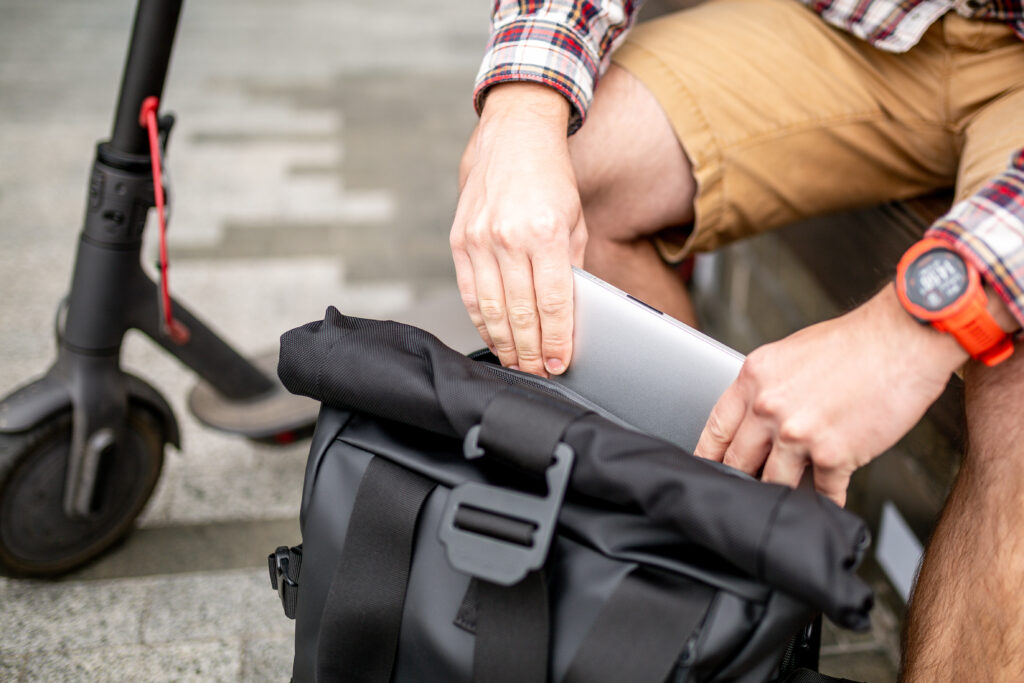
Sourcing Tip: When sourcing smart backpacks, prioritize checkpoint-friendly or “lie-flat” laptop compartments that open 180 degrees for airport screening; frequent travelers increasingly look for this feature as a time-saver. Internally, favor designs where USB wiring is modular and replaceable rather than permanently sewn in, as this reduces after-sales issues when cables wear out.
Source smart backpacks and commuter backpacks to complete your 2026-ready commuter gear lineup.
The Smart Gym-to-Office Bag
The dedicated gym bag market is also expanding as wellness becomes part of daily routines. Recent forecasts suggest the global gym bag segment will reach approximately $2.6–2.7 billion by 2030, growing at around 7–8% annually as more consumers integrate fitness into commuting and workdays. This growth is driven in part by demand for bags that combine everyday carry needs with organized storage for footwear and workout gear.
The “two-bag problem”—carrying a laptop backpack plus a separate gym duffel—is a major frustration for the 24-hour professional. The smart gym-to-office bag addresses this by combining the appearance of a work-ready travel backpack or weekender bag with the functionality of a gym bag.
Invisible Functionality and Odor Control
A defining feature of modern gym backpacks and gym duffels is the dedicated shoe compartment. Rather than simply adding capacity, newer designs use ventilated panels and antimicrobial linings to isolate footwear from the main compartment, managing moisture and odor and preventing cross-contamination with clothing, documents or devices. As the market expands, demand is increasingly concentrating in gym bag designs that solve these hygiene and separation pain points rather than in basic, single-compartment bags.
Smart gym-to-office bags also incorporate sealed “wet” pockets, using coated or laminated fabrics that contain damp gym clothing or swimwear without leaking into the rest of the bag. This is particularly relevant in Asia-Pacific markets where humidity and sudden rain are common and commuters may not be able to dry gear immediately.
Hybrid Form and Versatility
Versatility is another hallmark of smart design in this category. Many gym-to-office bags feature convertible straps so the same product can function as a backpack for crowded trains, then be carried as a duffel or brief-style bag for meetings or evening events. High-denier, water-resistant fabrics such as thermoplastic polyurethane (TPU)-coated nylon or ballistic polyester help maintain structure and protect contents in variable weather, while still keeping weight manageable.
The smart aspect here lies in compartment architecture and transformable form rather than electronics: thoughtful separation of clean and dirty items, flexible access points and silhouettes that move seamlessly from gym bench to office lobby.
Sourcing Tip: Focus on the base construction and hardware in shoe and wet compartments, as these areas experience the most stress. Sourcing from suppliers who specify zipper brands, fabric deniers and lab-test results for tear and abrasion resistance reduces returns and supports long-term customer satisfaction.
The Smart Digital Nomad Organizer Kit
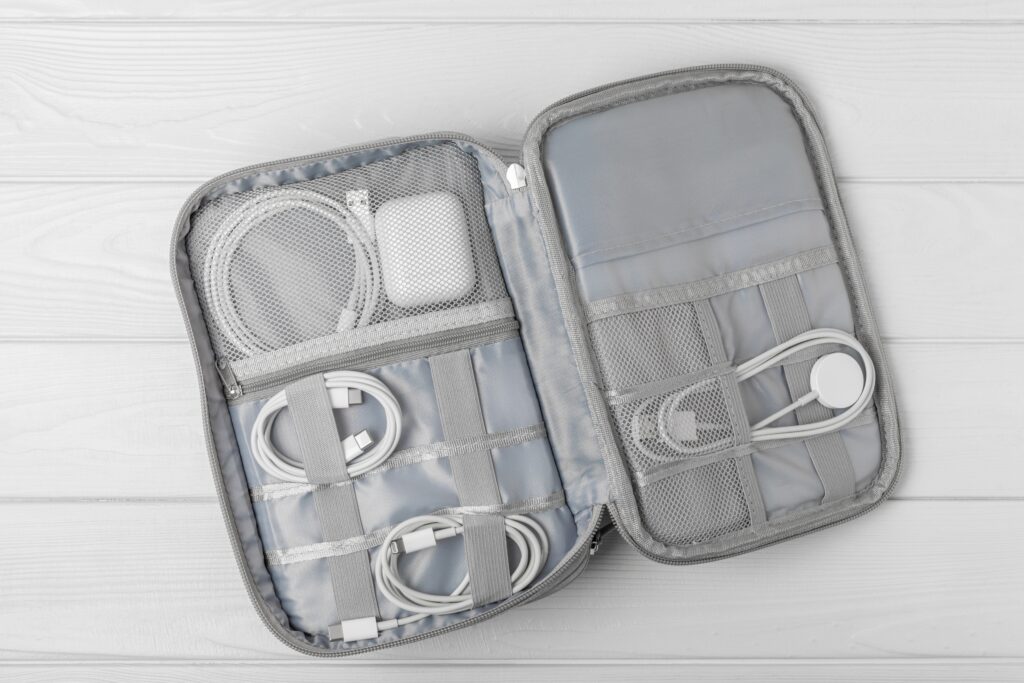
As device counts rise, the “bag-in-bag” category has become central to commuter and travel gear. A typical business traveler or digital nomad carries a laptop, phone, earbuds, smartwatch and at least one power bank, each with its own charging cable. This complexity has driven strong demand for travel tech organizers, cable organizers and bag organizers that bring order to mobile setups.
Structured Tech Organizers and Cable Management
The cable management system market is forecast to reach about $24.8 billion by 2030, growing at around 7% annually, as more infrastructure and consumer environments adopt managed wiring solutions. On the consumer side, this is reflected in rising sales of tech organizers and cable organizers with elastic loops, segmented pockets and semi-rigid or hard-shell exteriors that protect GaN (gallium nitride, a newer fast-charging semiconductor technology) chargers, hubs and storage devices. Designs are increasingly tailored to typical device ecosystems, with layouts that accommodate laptop bricks, multiple USB‑C and USB‑A cables, small cameras or microphones, and memory card wallets.
For buyers, these accessories are attractive because they are highly giftable and often purchased alongside smart backpacks and travel backpacks, lifting basket value without requiring large shelf space.
Packing Cubes and Travel Optimization
Alongside tech organizers, packing cubes and compression packing cubes have evolved into mainstream travel accessories. These systems allow users to segment outfits by activity or day and compress clothing volume to maximize carry-on capacity. Luggage research indicates that consumers frequently add packing cubes or bag organizers when shopping for new travel bags, making them effective add-on products in both online and offline retail.
Eco-Conscious Materials
Sustainability is another powerful driver in this segment. The global sustainable bags market—including reusable, recycled and eco-material bags—was valued at about $3.4 billion in 2024 and is expected to reach approximately $9.5 billion by 2033, at around 12.1% CAGR. Many newer tech organizers, travel tech organizer pouches and packing systems now use recycled polyethylene terephthalate (RPET) fabrics, recycled zippers and lower-impact finishing processes, aligning with corporate ESG targets and consumer interest in eco-friendly products. This is especially relevant in European and advanced Asian markets where sustainability considerations increasingly influence buying decisions.
Sourcing Tip: Prioritize interior visibility and protective finishes. High-contrast linings or mesh windows help users quickly locate small adapters and black cables, while durable water‑repellent coatings add protection against spills in transit. Offering eco-material options, such as RPET organizers or recycled-nylon cubes, allows buyers to position their ranges as both practical and environmentally responsible.
Smarter gear, smarter standards
The move toward smart commuter gear is a structural shift driven by hybrid work, higher device ownership and the blending of business, fitness and leisure in everyday routines. Professionals in 2026 expect equipment that anticipates their needs: backpacks that provide power and security, gym-to-office bags that discreetly manage shoes and wet gear, and organizer kits that keep cables and clothing under control. For buyers, the opportunity lies in sourcing products built around intelligent design and positioning assortments as enablers of productivity and lifestyle, rather than as generic containers.
By focusing on three high-potential pillars—tech-enabled backpacks, gym-to-office carry solutions and digital nomad organizer kits—buyers and procurement teams can curate a travel and commuter assortment that closely tracks how people now move between home, office, gym and short trips. Market data across these segments points to sustained expansion through 2030 and beyond, giving buyers confidence to invest in this combined category mix as a long‑term growth engine rather than a short‑term trend.
Sourcing on hktdc.com Sourcing
For buyers looking to upgrade assortments with smarter travel and commuter solutions, hktdc.com Sourcing offers access to a broad range of quality suppliers specializing in problem-solving design. Using a single, efficient platform to source bags, organizers and accessories makes it easier to build coordinated ranges, test new commuter concepts and respond faster to buyer demand. Start shortlisting suppliers and product lines today to turn these commuter trends into concrete sourcing decisions for your next buying cycle.
Bonus for Suppliers
Global buyers are actively sourcing smart commuter and travel gear from suppliers who focus on problem‑solving design, durability and eco‑conscious materials. Join hktdc.com Sourcing now to showcase your next‑generation commuter and travel gear and connect with buyers building 2026‑ready assortments.
Global business travel and hybrid/bleisure trends
Global Business Travel Association (GBTA) forecasts; selected business travel and mobility trend reports.
Travel accessories, backpacks and commuter bags
TechSci Research; Market.us; Allied Market Research; Grand View Research; Global Market Insights; Verified Market Reports; Zion Market Research; Technavio; selected syndicated travel accessories overviews.
Gym bags, sport duffels and gym‑to‑office carry
Grand View Research; DeepMarketInsights; Research and Markets; HTF Market Intelligence; Spherical Insights; Ken Research; other global gym bag market outlooks.
Tech organizers, cable management and packing systems
Strategic Market Research; Grand View Research cable management; Mordor Intelligence; Precedence Research; DataIntelo/MarketIntelo travel tech organizer reports.
Sustainable and eco‑friendly bags and materials
Reports and Insights; Market Research Future; Verified Market Reports; MarketReportAnalytics and related eco‑bag and sustainable bag market studies.