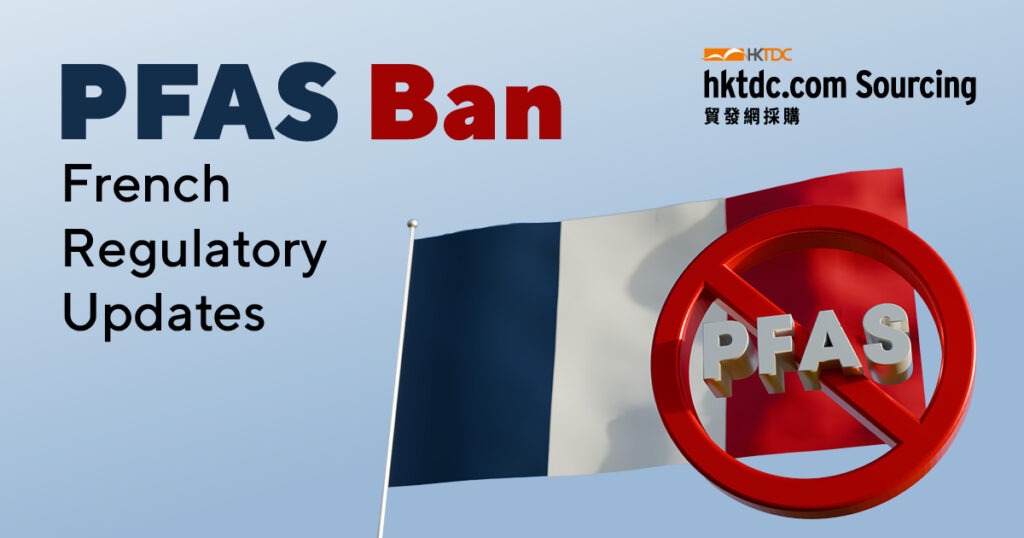
To restrict per- and polyfluoroalkyl substances (PFAS) in consumer products, France implemented strict controls under Decree No. 2025-1376, representing one of the most comprehensive national initiatives to restrict chemical pollutants in consumer products. This underscores the growing concern across Europe about these persistent chemicals, as more countries acknowledge the widespread nature of PFAS contamination and its potential impacts on both human health and the environment.
PFAS, often referred to as ‘forever chemicals’, are banned for the following product categories:
Cosmetics
Ski waxes
Clothing textiles
Footwear
Waterproofing agents of textiles and footwear
The regulation prohibits the production, import and sale of PFAS-containing products where safer alternatives are available.
Exemptions
Certain exemptions are permitted for clothing textile and footwear products:
Personal protective equipment (PPE) under EU Regulation 2016/425, including PPE and combat equipment for the armed forces, internal security and civil protection services
Waterproofing agents used for re-waterproofing the PPE mentioned above
Clothing textiles and footwear that contain at least 20% post‑consumer recycled material, with PFAS content limited to residue levels originating from the recycled material and proportional to the amount used
Implementation Timeline
Under the decree, effective January 1, 2026, PFAS are prohibited in the products listed above, with additional restrictions extending to all PFAS-containing textiles by 2030.
Products manufactured before this date are granted a 12‑month period for inventory clearance.
Source PFAS-Free Products from Our ESG-Certified Suppliers!
Choosing certified sustainable suppliers doesn’t just help the planet — it’s also a smart business move. More customers are choosing brands that take sustainability seriously. By sourcing from HKTDC’s green-certified suppliers, you’re making a clear statement: your business is committed to responsible sourcing and environmental stewardship.
Visit the Green & Sustainability Certified Suppliers page and connect with trusted industry players who can help you build a greener supply chain. Together, we can make sustainability the standard, not the exception.
This article is originally published by SGS. For more details, please visit SGS TIC Mall.
SGS is the world’s leading Testing, Inspection and Certification company. Our brand promise – when you need to be sure – underscores our commitment to trust, integrity and reliability.
PFAS FAQ
1. Where are PFAS found?
PFAS are used in many everyday products and industrial processes, including: