

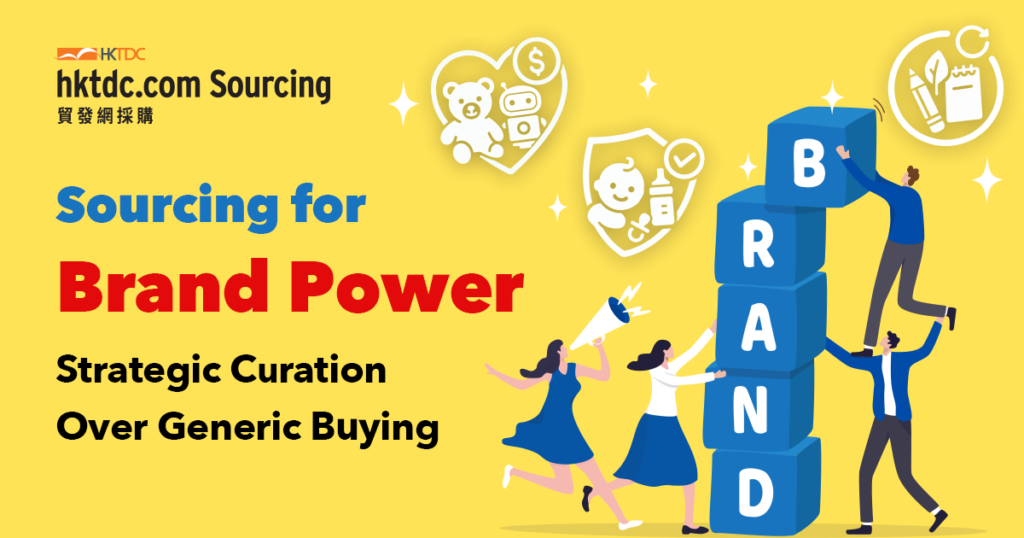
In an increasingly saturated global marketplace, competing exclusively on price has become a race to diminishing returns. Generic inventory—products selected solely based on cost and availability—cannot build meaningful differentiation. The real competitive advantage lies in strategic sourcing as brand architecture. By curating product selections that align with documented consumer values and market opportunities, buyers can build distinctive market positions and stronger competitive standing.
This transformation requires a shift in procurement philosophy: from viewing sourcing as a transactional function to recognizing it as a strategic identity-building tool. Across baby products, toys and games, and stationery categories, market data demonstrates that consumers are moving decisively away from commodity-driven purchasing toward quality-conscious, values-aligned acquisition strategies. For procurement professionals and sourcing teams, this creates a tangible opportunity to differentiate through strategic curation.
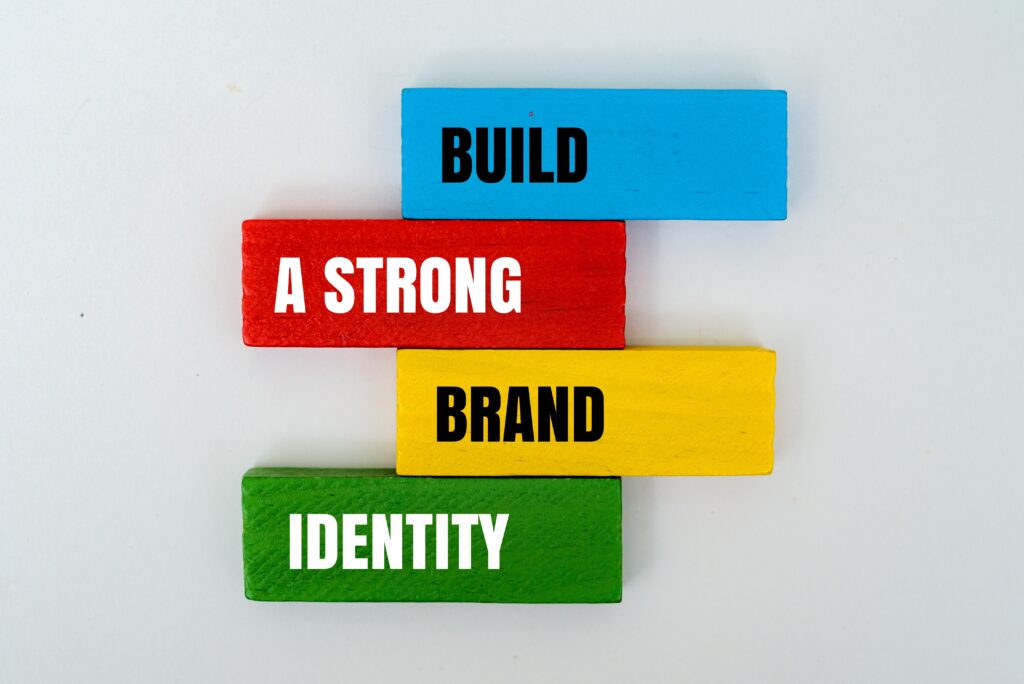
The Trust Architect: Strategic Sourcing in Baby Products
The baby products category illustrates the power of trust-based sourcing in building brand authority. According to market research, the global organic baby toiletries market was valued at $7.93 billion in 2024 and is projected to reach $12.5 billion by 2030, growing at a CAGR of 7.9%. This expansion is underpinned by a fundamental shift in parental purchasing criteria: safety and material transparency have moved from secondary considerations to primary decision drivers in product selection.
Market data reveals that approximately 71% of consumers are willing to pay a premium for products with demonstrated safety credentials and clear ingredient sourcing. More specifically, the non-toxic silicone baby products segment—valued at $6.5 billion in 2025—is growing at a CAGR of 12.5%, significantly outpacing the broader baby products market. This premium growth rate reflects parental willingness to invest in demonstrably safer materials, indicating that quality-focused sourcing directly impacts margin expansion.
For procurement professionals implementing strategic sourcing strategies, this data points to a specific approach: Sourcing for Certification and Material Provenance (verifying third-party safety credentials and tracing material sources). Rather than selecting baby products based on lowest cost, the competitive advantage comes from systematically filtering suppliers by their ability to provide third-party safety verification (such as EN71 for European standards or ASTM for US compliance) and transparent material documentation. When every item in a buyer’s catalog carries safety credentials, the brand becomes synonymous with trusted parenting—a positioning that commands higher margins and stronger customer loyalty than competing on price.
Research on customer retention metrics shows that brands built on trust and quality see a 5% increase in customer retention rates translate into 25-95% increases in profitability. This means that sourcing decisions directly influence bottom-line financial performance. A buyer who sources baby products with verified safety certifications isn’t just adding inventory—they’re building a retention engine.
This approach also addresses a documented market opportunity: 56% of organizations now prioritize sustainability in their sourcing decisions, and eco-conscious materials (bamboo fiber, food-grade silicone, untreated wood) are increasingly standard expectations. By sourcing baby products with both safety certifications and sustainable material sourcing, buyers create a dual-value proposition that appeals to modern parents—one that is difficult for competitors relying on commodity purchasing to replicate.

The Engagement Partner: Longevity Sourcing in Toys and Games
The toys and games category presents a compelling case for sourcing beyond immediate functionality into long-term engagement and longevity. The global toy market reached $316.1 billion in 2024 and is projected to expand to $446 billion by 2032, yet market segmentation data reveals a profound shift in what drives growth: the rise of “kidult” consumers (adults ages 18+) who purchase toys for themselves, not as gifts for children.
This demographic shift carries material implications for procurement strategy and supplier sourcing. Data from Circana shows that adults now represent an outsize proportion of toy purchasing, with the kidult market growing at over 7% annually despite a declining overall toy market. Simultaneously, STEAM (Science, Technology, Engineering, Arts, and Mathematics) toys specifically are expanding from $6 billion in 2024 to $13.1 billion by 2032 at a CAGR of 9.1%, reflecting parental investment in educational play and skill development.
These two trends—adult toy collecting and educational play—point to a crucial sourcing opportunity: Sourcing for Lifecycle Engagement (prioritizing products designed for sustained, multi-generational engagement). Building sets, strategy games, and STEAM kits that evolve with users generate extended customer relationships and higher Customer Lifetime Value (CLV). When a buyer curates a selection of toys that appeal across age groups and reward repeated engagement, that buyer becomes a “developmental resource” rather than a “toy seller”—a positioning that increases repeat purchase frequency and builds brand authority.
Operationally, this means prioritizing suppliers who design for durability and complexity. Products that can be combined, reconfigured, or deepened over time (such as expandable building systems or advanced puzzle kits) generate the engagement cycle that drives CLV. Market research on strategic sourcing practices shows that suppliers capable of delivering multi-functional products and customized design options are increasingly essential to procurement teams focused on brand differentiation.

The Lifestyle Curator: Aesthetic and Ethical Sourcing in Stationery
The stationery category offers the clearest pathway to brand identity through sourcing and procurement excellence. The global stationery market reached $114 billion in 2025 and is forecast to grow to $163.9 billion by 2034, yet this aggregate figure masks a crucial segmentation: quality-focused, design-led stationery is growing significantly faster than commodity stationery.
The market for eco-friendly and sustainable stationery alone is projected to expand from $9.87 billion in 2023 to $13.7 billion by 2030 at a CAGR of 4.8%—and this segment commands meaningfully higher margins. Simultaneously, data on consumer preferences shows that 56% of organizations now prioritize sustainability in purchasing decisions. Critically, research indicates that 73% of global consumers are willing to pay more for sustainable products, yet only 26% successfully locate them in the market. This gap represents a procurement opportunity: buyers who source sustainable stationery (recycled post-consumer waste, FSC-certified paper [Forest Stewardship Council], soy-based inks) gain immediate competitive differentiation while meeting documented market demand.
Beyond sustainability, the aesthetic dimension of stationery is reshaping sourcing criteria and buyer behavior. Market research on curated stationery shows that consumers—particularly younger professionals and students—view stationery as part of workspace identity rather than mere supplies. Products with tangible quality (heavy-weight paper, matte finishes, metal components) command premium pricing and drive higher per-unit margins. This reflects a broader “stationerycore” cultural trend where stationery functions as both functional tool and lifestyle statement.
The financial impact of this shift is significant. Premium pricing strategies built on quality differentiation can increase profit margins by 10-15%, and buyers who curate coordinated, aesthetically cohesive collections see increased Average Order Value (AOV) through bundle purchasing (matching pen, notebook, and organizer sets). Additionally, research on personalization and curation shows that customers who perceive strong product alignment with their values demonstrate 30% higher retention rates.
For procurement professionals, this creates a Materiality-First Sourcing Strategy: prioritizing suppliers who offer tangible quality differentiation (linen-bound notebooks, weighted pens, coordinated color systems) over generic, undifferentiated alternatives. By curating stationery selections that feel cohesive, distinctive, and aesthetically intentional, buyers transform commodity purchasing into brand architecture. The result is increased AOV through bundle purchasing and stronger customer retention through repeated engagement with a curated brand story.

Execution: From Curation to Supplier Engagement
Translating a “Sourcing for Brand Power” approach into operational execution requires three deliberate shifts in how procurement teams interact with the supply chain and manage supplier relationships.
Step 1: Define the Sourcing Code
Before initiating supplier searches, procurement professionals should establish a written “Sourcing Code”—a non-negotiable set of attributes that define the brand identity. For a baby products buyer, the code might specify: “All items must carry EN71 or ASTM certification.” For a stationery buyer, it might state: “Minimum 80% recycled material content in packaging.” This code functions as an automated filter, eliminating suppliers who cannot meet the criteria and signaling to the broader supply base that this buyer is values-driven, not price-driven. This practice aligns with best practices in strategic sourcing processes, which emphasize clear specifications and data-driven supplier evaluation.
Step 2: Attribute-Led Inquiry
When contacting suppliers, signal the sourcing philosophy immediately. Instead of opening with “What is your MOQ and FOB price?”, frame inquiries around attributes: “Can you provide third-party safety test reports for this product line?” or “What is your sustainability certification for packaging?” This positioning establishes the buyer as a professional evaluator, not a price haggler, and typically prompts suppliers to offer their highest-tier inventory rather than budget alternatives. This approach leverages what procurement experts call “commercial investigation keywords”—focusing the conversation on quality attributes rather than cost competition.
Step 3: Test Through Low-MOQ Options
Building a unique brand identity requires experimentation. Procurement teams should leverage suppliers’ flexible order options (often available with 20-30% of suppliers) to test distinct product collections before committing to volume. For example, a stationery buyer might order a low-MOQ test batch of premium, eco-certified notebooks to validate market response before scaling. This approach reduces financial risk while building data-driven curation strategies. Research on customer segmentation and personalization shows that this testing approach increases retention by 37% when done systematically.

Strategic Outcome: Building Defensible Market Position
The strategic outcome of “Sourcing for Brand Power” is not inventory accumulation—it is market position differentiation. Buyers who source strategically create catalogs that are difficult for competitors to replicate. A buyer known for safety verification becomes a trusted resource. A buyer known for educational longevity becomes a development partner. A buyer known for aesthetic curation becomes a lifestyle authority.
These positions translate directly to financial performance: higher margins on differentiated product selections, increased customer retention through CLV optimization, and reduced price competition because the brand value proposition extends beyond the individual product to the curation story itself. Market research on premium pricing and brand strategy shows that organizations leveraging strategic sourcing to build quality-focused positions report sales cycles shortened by 30% and profit margins increased by 10-15%.
The market data across all three categories demonstrates this opportunity with clarity. Whether through safety certifications, educational longevity, or aesthetic curation, buyers who shift from commodity sourcing to strategic curation gain measurable competitive advantage. In each case, the differentiation comes not from manufacturing new products, but from thoughtfully selecting existing ones. This fundamental insight—that procurement strategy is brand strategy—reshapes how professional buyers approach supplier selection, category management, and competitive positioning in maturing, value-driven markets.
Begin building your strategic sourcing program today. Connect with quality suppliers across baby products, toys and games, and stationery categories and discover how professional curation transforms inventory into defensible brand architecture.
Bonus for Suppliers
Global buyers are actively sourcing certified baby products, educational toys and games, and design-led stationery from suppliers who prioritize quality, sustainability, and brand differentiation. Join hktdc.com Sourcing now to connect with strategic buyers building unique brand portfolios.
Baby Products & Safety Market
Grand View Research, Market Report Analytics, Organic Baby Toiletries Market Report 2024, Roots Analysis
Consumer Willingness to Pay & Clean Label Data
Ingredion Global Clean Label Research (2023), SupplySide Research, Foremost Consumer Insights, NCBI Research on Consumer Green Product Behavior
Toy Market & Kidult Trends
Circana (formerly NPD Group), Toy Association Research, CTV News Canada, Into the Minds Market Analysis, Strategic Market Research
STEAM Toys Market
Technavio, Future Market Insights, Grand View Research, Yahoo Finance, HKTDC Sourcing
Stationery Market & Sustainability
Future Market Insights, Precedence Research, SeedPrint Market Research 2025, Forbes Stationerycore Report, Grand View Research, EconStor Research on Green Purchasing
Customer Retention, CLV & Premium Pricing
ivend Retail Intelligence, Novus Loyalty, The Retail Executive, Shopify Retail Analysis, Firework Customer Retention Statistics, SPP Premium Pricing Guide
Procurement, Sourcing Strategy & Supplier Management
Akiro Labs Strategic Sourcing Process, Art of Procurement, GEP Procurement Strategy Blog, Ivalua Sourcing vs. Procurement Analysis, KPI Depot Strategic Sourcing ROI
Ecommerce Keywords & SEO
Yotpo Ecommerce Keywords Guide, Shopify Keyword Research Guide, LinkedIn Ecommerce Keyword Frameworks